

Thai firms reshape offices to boost hybrid work & wellbeing
Fri, 3rd Oct 2025
Hybrid work models are continuing to dominate Thailand's corporate landscape, with businesses now recognising office environments as core elements of their talent strategy, according to JLL's latest findings.
JLL's recent real estate forum in Bangkok, attended by over 120 senior executives, HR leaders and workplace managers from both local and international firms, focused on the shifting patterns in workplace usage and strategy under the theme 'Workplace Evolution: People and Space'.
Hybrid remains prevalent
Current trends observed by JLL show the majority of companies in Bangkok continue to support hybrid work models. A poll conducted during the event revealed that 76% of organisations allow employees to work remotely for one to two days each week. This balance between remote and in-office work is credited for enhancing employee satisfaction by combining flexibility with opportunities for collaboration.
However, despite these perceived benefits, many firms are seeking to increase in-office attendance to better support team collaboration and reinforce company culture. According to workplace strategists present at the forum, organisations are finding it challenging to encourage employees to return to the office after extended periods of remote work.
Redesigning spaces
Companies have responded by rethinking how office space is utilised. There is a notable shift towards creating multifunctional collaborative environments, ranging from lobbies and open lounges with soft seating to dedicated libraries and coffee areas. These new spaces are designed to provide flexibility and encourage both informal and formal collaboration.
Features such as comfortable furniture, whiteboards, and support technology are incorporated to enable a range of collaborative tasks - from brainstorming sessions to structured meetings. The reshaping of the office environment is seen as a way to make the workplace a destination of choice for employees, rather than an obligation.
Focus on wellbeing
The forum also highlighted the growing importance of employee wellbeing as a strategic priority in office design. According to JLL poll data, 40% of organisations allocate at least 10% of their office space to wellness areas, which may include fitness rooms, meditation spaces, mother's rooms and areas inspired by nature. JLL noted that this allocation is expected to rise in newer workplaces, with wellbeing features increasingly regarded as standard amenities.
The panel discussion emphasised that investing in wellbeing infrastructure results in higher productivity, improved talent acquisition and retention, and a generally healthier work environment, spanning physical, mental, and social health considerations.
Diversity and inclusion
Diversity, Equity, and Inclusion (DEI) also played a prominent role. The consensus among forum participants was that fostering a diverse and inclusive culture not only aids in attracting and keeping top talent but also enhances employee experiences and broadens the company's service scope. Nevertheless, only 26% of poll respondents reported that their workplaces are fully inclusive, incorporating features such as prayer rooms and accessible paths. A further 41% acknowledged the value of DEI initiatives but cited difficulties in implementation.
The overall expectation is that DEI in workplace design and culture will continue to grow as public awareness and organisational commitment increase.
Technology's dual role
The advancement of workplace technology has been identified as essential not only for supporting successful hybrid work by enabling remote work, communication, and collaboration, but also for encouraging employees to return to the office. Organisations in Thailand are integrating tools such as ultrafast broadband, video conferencing systems, booking platforms, ergonomic furniture, and environmental monitoring solutions into office spaces.
Many companies view these technological investments as a means to enhance productivity and the day-to-day experience of employees, both in the office and remotely.
Strategic transformation
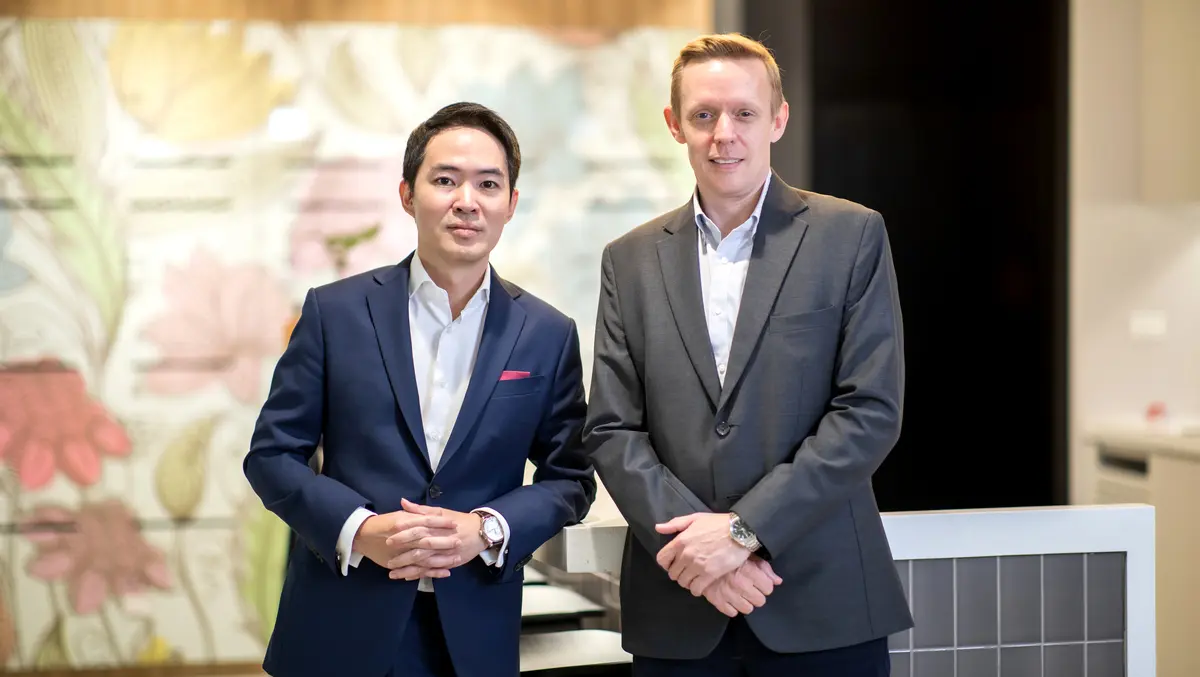
Thananun Ruengveeravich, Head of Leasing at JLL, said,
"In today's increasingly competitive landscape, the workplace has evolved into a strategic differentiator and businesses must leverage every available resource to create meaningful competitive advantages out of it to attract talents, Expressing the value that organizations uphold, such as prioritizing well-being, commitment to sustainability, and equality for diverse individuals, To ensure their workplaces are futureproof, companies require a holistic strategy that integrates employee experience, operational efficiency, and business goals for not only today but also tomorrow. As the way of working has continued to evolve, the workplace journey is about adaptation, not perfection."
James Haigh-Lumby, Head of Tenant Representation at JLL, offered further insight on changes to the Bangkok market, stating, "The shift toward employee-centric workplaces is fundamentally changing how our clients evaluate their long-term office strategies in the Bangkok's market. As companies are realising offices must deliver experiences employees can't replicate at home, they are no longer just seeking cost-effective space. They are investing in environments that combine thoughtful design and strategic location choices and can demonstrably improve retention and attract top talent."