

Suprema unveils dual BioStar platforms, new biometrics
Thu, 15th Jan 2026
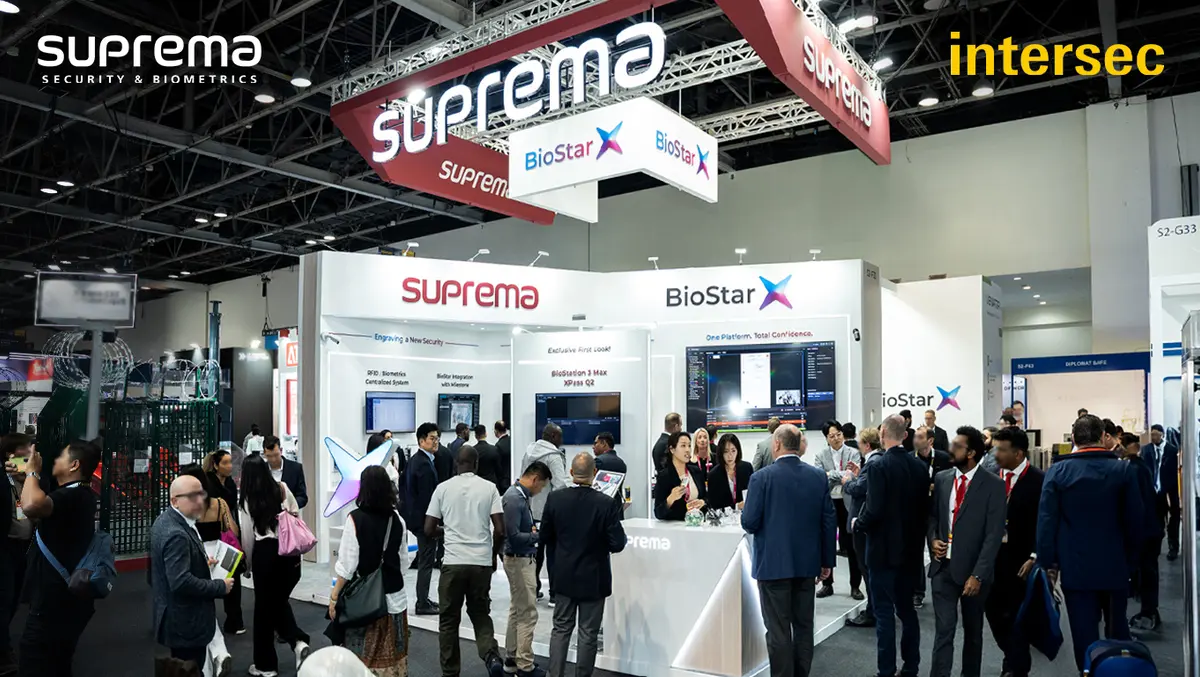
Suprema has outlined a dual approach to access control software at Intersec 2026, with an on-premise platform and a cloud-native platform due for launch in the first half of 2026. The company also previewed new biometric and credential-reading devices at the event.
The South Korean security firm used its Intersec stand to set out what it described as a two-platform strategy. The plan pairs BioStar X, positioned as an on-premise system, with BioStar Air, positioned as a cloud-native system. Suprema said both platforms work with the same biometric, RFID, and mobile-ready hardware.
New devices
Among the new hardware, Suprema introduced BioStation 3 Max as a facial authentication terminal. The company said the device builds on BioStation 3, which it described as its fastest-selling biometric terminal. Suprema positioned BioStation 3 Max for high-security and high-traffic locations.
Suprema said BioStation 3 Max includes an enhanced neural processing engine for AI-based facial authentication. The product also includes a large touchscreen display and an integrated VoIP intercom, according to the company. Suprema cited corporate headquarters, data centres, and sensitive manufacturing facilities as target settings for verification workflows.
Suprema said BioStation 3 Max becomes its flagship facial authentication terminal and replaces FaceStation F2. The company said the new model adds Power over Ethernet. Suprema described PoE as a frequent customer request in the Middle East. It said the feature simplifies installation and reduces infrastructure and deployment costs.
Suprema also presented XPass Q2, which it described as an intelligent QR reader that also supports RFID card types and formats. The company said the device targets visitor access flows that rely on QR codes and ticket authentication at venues such as events, stadiums, and public facilities.
Suprema described XPass Q2 as designed for speed and said it performs rapid authentication during peak entry times. It also highlighted a compact design and rugged construction. The company linked those features to quick deployment and operation in high-traffic environments.
Platform split
Suprema said it previewed two "complete access control platforms" at Intersec for the first time. It described BioStar X as a unified on-premise solution and BioStar Air as a cloud-native product aimed at distributed sites. Suprema said customers can select a deployment model that matches operational, regulatory, and IT requirements.
BioStar X combines access control and video surveillance in a single system, according to the company. Suprema also cited integration features and the ability to scale from small sites to large deployments. It said the system includes a unified monitoring console that shows access events and video streams through interactive maps. Suprema said this approach speeds incident response and improves day-to-day operations.
Suprema also said BioStar X includes AI-based enhancements linked to video intelligence and automation. The company cited detection of fall incidents, tailgating, and intrusion as examples.
For BioStar Air, Suprema said it runs as a cloud-native access control platform and does not require on-premise servers. The company said administrators can add readers at different locations by connecting a network cable.
Suprema highlighted two points for customers in the Gulf region. It said BioStar Air links cloud-based time and attendance systems with biometric access control. The company also said BioStar Air includes secure mobile credentials as a standard feature and does not apply per-user licensing fees.
Video analytics
Suprema also referenced Q-Vision Pro at Intersec. The company described it as a video analytics AI module designed to help prevent financial crime.
Intersec has become a regional showcase for security vendors targeting government, infrastructure, and commercial buyers across the Middle East. Many exhibitors use the event to present biometric identity products and access control systems alongside video and analytics tools.
"We introduced our latest technologies at Intersec because the Middle East consistently leads the adoption of biometrics, AI, and mobile access," said Hanchul Kim, CEO, Suprema. "Those trends align directly with Suprema's strengths, making this region a natural showcase for where access control is heading next."