Resilience stories
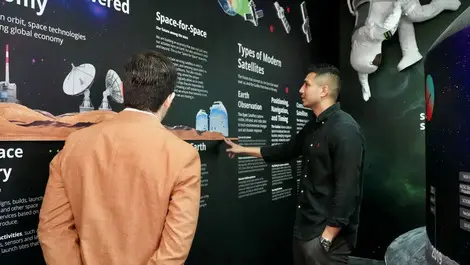
The facility aims to turn satellite and geospatial tools into commercial gains for Southeast Asian industries as space activity expands.
More than 130 major incidents in 2025 show Singapore facing rising disruption, with public services and retailers hit hardest.
The Malaysian site is part of AUD $1 billion of investment and gives NEXTDC a base for AI and cloud customers across Southeast Asia.
It could cut outage times for hybrid IT teams by unifying cloud, network and infrastructure data across public, private and on-premises systems.
The renewal will help LSEG bolster resilience and security across regulated market systems as it deepens use of VMware Cloud Foundation.
Fragmented drone systems are slowing emergency decisions as agencies juggle multiple platforms, sensors and command tools in fast-moving incidents.
Rising cyber risk and regulatory pressure are pushing telecom operators to harden voice services as enterprises shift calling into cloud platforms.
Customers in government, banking and infrastructure could soon get quantum-safe networking as Gorilla moves towards an April 2026 launch.
Rising Nordic data centre demand is pushing suppliers closer to customers, with Crestchic opening a Swedish base and expanding UK production.
Demand for faster-deploying edge infrastructure is boosting interest in portable units that can be shipped to remote sites and redeployed as needs change.
Eligible mutual policyholders will share in the largest programme payout yet, with credits lifted by low losses and added risk mitigation effort.
Rugby clubs and provincial unions will get discounted accounting software as Xero deepens ties with New Zealand Rugby beyond branding.
UK business and public-sector customers could see faster fault resolution as BT Business begins an AI overhaul of managed services with Accenture.
British firms could face costly disruption if they delay modernising communications before the PSTN switch-off on 31 January 2027.
The award underlines growing demand for mission-critical security integration across New Zealand's infrastructure sector.
Long-lived industrial systems could face fresh cyber risk as the firms tie edge AI to post-quantum encryption for factories and utilities.
Exposure of operational technology is leaving industrial operators most vulnerable, with attacks able to halt production and disrupt essential services.
The hire signals a sharper focus on resilience and customer trust as buyers demand stronger governance from identity security suppliers.
Most Australian organisations are using or planning AI agents for security tasks before formal controls are in place, Semperis found.
Retailers are using category management to cut waste, avoid empty shelves and respond faster to cost-of-living pressures and supply shocks.












.webp)