Resilience stories
The feasibility work could shape whether a proposed Ho Chi Minh City campus gets built, with connectivity now a key factor for investors.
The free site helped commuters check flooded routes during Bangkok's disaster zone conditions, logging more than 13,000 uses in its first day.
Airports across Asia face a funding and design test as forecasts point to USD $1.3 trillion in regional capital needs by 2040.
Geopolitical risks are prompting chipmakers to spread production across Asia Pacific, with 35% planning expansion into new regional markets.
The two-day programme aims to help senior executives turn AI experiments into practical supply chain projects, from warehousing to forecasting.
The change could reduce failed cluster setups as AI demand tightens compute supply and Spark users lose access to preferred machine families.
Data centre operators are under pressure to supply their own electricity, opening the door for Honeywell to add on-site power and utilities.
Cash's resilience, privacy and local spending benefits in Germany were estimated at nearly three times the cost of keeping the system running.
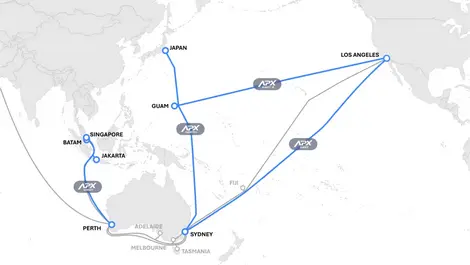
The build aims to ease capacity shortages for AI traffic and trans-Pacific data flows, with installation due over just over three years.
The rollout gives more than 2,400 traders a single cloud-based voice platform, replacing fragmented systems across 17 countries and improving compliance.
More than half of Australian organisations still manage supply chain risk reactively, leaving them exposed to cyber incidents, BSI found.
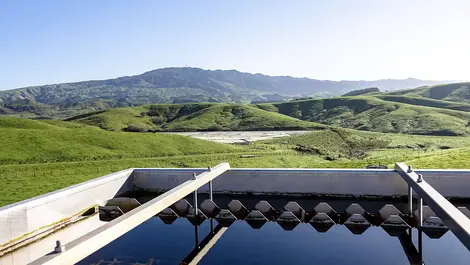
By storing 4000 cubic metres of stormwater and easing flood risk, a former pipe corridor is now being hailed as a model for councils.
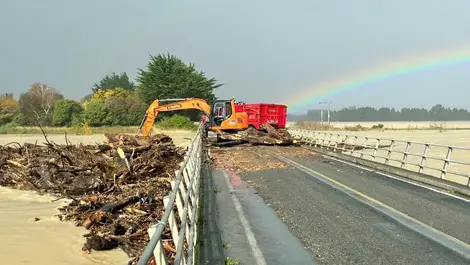
Drivers to Martinborough face two days of delays this week as flood debris is cleared from the only direct road link into town.
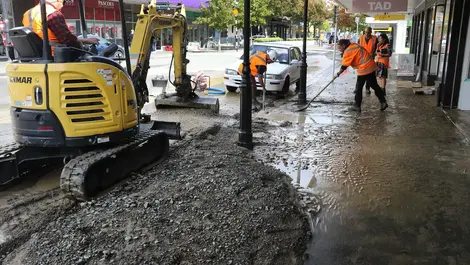
Businesses in Rangiora face months of disruption as ageing mains under High Street are replaced to avoid further bursts and flooding.
New Zealand businesses and homes could ease grid strain and cut fossil fuel reliance by shifting to microgrids, batteries and solar, says Schneider Electric NZ.
Enterprises can now pool GPUs across two data centres 83 kilometres apart, easing power and planning constraints on new AI campuses.
Many businesses are exposing themselves to cyber, regulatory and operational risks by rolling out AI faster than governance can keep up.
Residents in Pahiatua are set for fewer boil-water scares as Tararua District Council starts a year-long $4 million network upgrade.
Australia's cyber strategy is shifting as firms race to control AI agents, with June's Medicare portal incident exposing fresh integrity risks.
Younger Australians face mounting pressure from housing, tax and climate costs as the Actuaries Institute urges ongoing policy reform.