

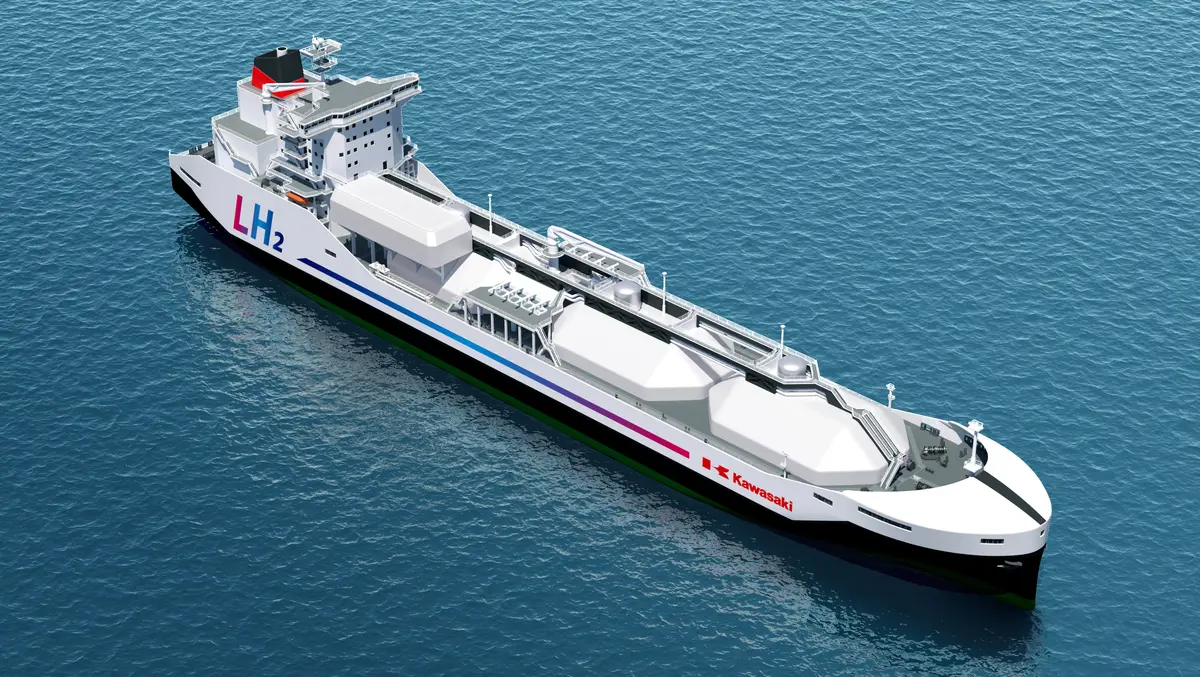
Yokogawa wins hydrogen ship automation orders from Kawasaki
Tue, 22nd Sep 2026.webp)
Yokogawa has won orders from Kawasaki Heavy Industries to supply integrated automation systems for a liquefied hydrogen carrier and two hydrogen-fuelled vessels.
The liquefied hydrogen carrier is expected to be the world's largest of its kind.
The order covers a 40,000-cubic-metre carrier designed to transport liquefied hydrogen, as well as marine hydrogen fuel systems for two vessels that will run on hydrogen.
The agreement places Yokogawa in a growing segment of the maritime energy market, as shipping groups and industrial companies test the infrastructure needed to move hydrogen at scale. It also ties the company to projects intended to support Japan's broader efforts to establish a liquefied hydrogen supply chain.
Industry views liquefied hydrogen as one option for transporting large volumes of hydrogen, particularly where long-distance movement and bulk storage are needed. The process presents technical challenges because the fuel must be kept at extremely low temperatures during transport and handling.
For the carrier, Yokogawa will supply a system to monitor and control onboard equipment, including emergency shutdown functions. The system is intended to support vessel operations during the storage and transport of liquefied hydrogen.
The automation package will provide integrated oversight of equipment on the ship and is designed to help operators manage safety and routine operations. It is also intended to reduce crew workload over the vessel's life.
Hydrogen shipping
The separate order for the hydrogen-fuelled vessels covers integrated automation systems for marine hydrogen fuel systems. These include liquefied hydrogen tanks and fuel supply equipment, both central to the use of hydrogen as a maritime fuel.
According to Yokogawa, the vessels are being built under a Green Innovation Fund project led by Japan's New Energy and Industrial Technology Development Organisation. The work is intended to support large-scale maritime transport while contributing to the development of the liquefied hydrogen supply chain.
Efforts to establish a full hydrogen chain, from production to storage and transport, have gained traction in Japan as government-backed and industrial projects seek to commercialise the fuel. Maritime transport is a critical part of that effort because hydrogen must be moved safely and efficiently between production sites and end users.
Yokogawa's involvement reflects how established suppliers of industrial control systems are seeking opportunities in the build-out of hydrogen infrastructure. The company has a long history in measurement and control systems across the energy and process sectors and is now applying that experience to emerging hydrogen transport projects.
In comments released with the announcement, the company pointed to its experience in another cryogenic shipping segment.
"Yokogawa has extensive experience with liquefied natural gas carriers, and our technology is also being applied to liquefied hydrogen carriers. Leveraging the technologies and expertise we have developed in the field of control and safety instrumentation, we will continue to provide solutions that support safe and reliable operations for our customers in the energy sector, including hydrogen," said Koji Nakaoka, executive vice president, executive officer and head of Energy & Sustainability Business Headquarters at Yokogawa Electric.
The order highlights the overlap between liquefied natural gas shipping know-how and the emerging market for liquefied hydrogen transport, although hydrogen's physical properties create additional engineering and operational demands. Those demands have made safety systems, monitoring tools and shutdown functions a central part of vessel design.
Kawasaki Heavy Industries has been active in hydrogen transport development, including work on carriers and related storage and transport technologies. The latest order suggests that larger vessels and hydrogen-fuelled shipping are moving from demonstration projects towards broader commercial preparation.
For Yokogawa, the contracts add to a portfolio focused on the monitoring and control of assets across the hydrogen chain, including storage and transport.