

Rodrigo elected first Asian woman to AI in education post
Tue, 27th Oct 2026 (Today)
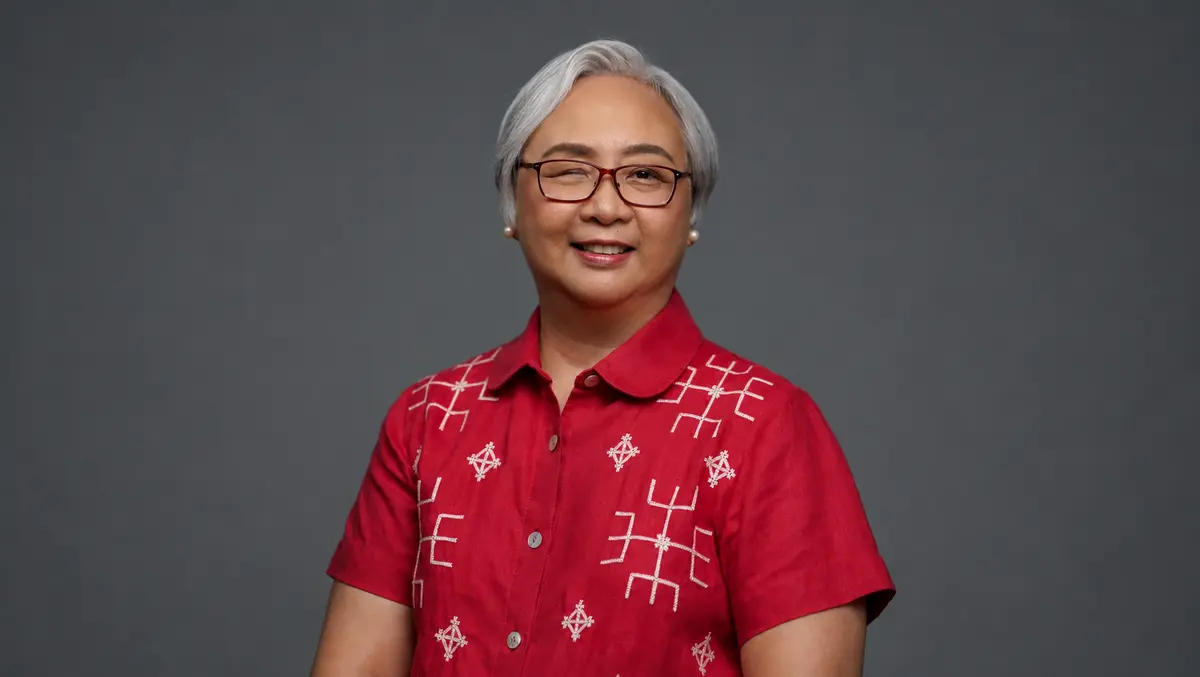
Dr Maria Mercedes "Didith" T Rodrigo of Ateneo de Manila University has been elected President of the International Artificial Intelligence in Education Society, becoming the first Asian woman to hold the post.
She will serve from 2027 to 2029. The organisation has more than 1,500 members across 40 countries and brings together researchers working at the intersection of computer science, education and psychology.
Her election gives the Philippines a more visible role in a global research community focused on using artificial intelligence in learning environments and teaching support. The society's members include researchers from institutions such as Carnegie Mellon University, the University of Pennsylvania, University College London and the University of Hong Kong.
At Ateneo de Manila University, Rodrigo is a Professor in the Department of Information Systems and Computer Science. She also heads the Laboratory for the Learning Sciences and serves as Co-Head of the Ateneo Virtual, Augmented and Mixed Reality Lab.
Her academic work has focused on artificial intelligence in education, learning analytics and educational games. A central theme has been how schools, teachers and pupils in countries such as the Philippines can make practical use of AI where budgets, equipment and internet access remain limited.
Equity focus
That question featured in a 2024 study Rodrigo conducted with the Philippines' Second Congressional Commission on Education. With fellow researcher May Marie P Talandron-Felipe, she interviewed 48 public-school teachers in the Philippines about their views on AI in the classroom.
The study found that teachers were enthusiastic about AI, but their interest was tempered by limited knowledge of the tools, equipment shortages and persistent connectivity problems. The researchers recommended sustained training, appropriate tools and continued human involvement in decision-making.
Those findings point to a broader issue for education systems in lower-resourced settings. While AI has drawn intense interest from schools and universities worldwide, adoption often depends less on the software itself than on teacher preparation, infrastructure and rules governing how such systems should be used.
Rodrigo has been a member of the International Artificial Intelligence in Education Society since 2007. Her long involvement reflects AI in education's expansion from a specialist research area into broader policy and classroom debate.
The society serves as a convening body for researchers examining how machine learning and related technologies can be used in teaching, assessment and learner support. Its work spans technical research and questions of pedagogy, evidence, and access.
International role
Rodrigo's appointment also carries symbolic weight for universities in Southeast Asia seeking a stronger voice in international technology research networks. Leadership posts in global academic societies have often been concentrated in North America and Europe, making her election notable for both regional and gender representation.
Much of her research has been tied to conditions in Philippine public schools, where uneven access to devices and reliable internet can determine whether new digital tools are useful in practice. That focus on implementation in under-resourced settings may bring a different perspective to an international field often shaped by wealthier education systems.
Researchers in AI and education have faced growing pressure to show that new tools improve learning outcomes rather than simply automate existing tasks. In that context, studies of deployment, teacher support, and technology's effects on educational equity have become more prominent.
Rodrigo's career has followed that shift. Alongside work on AI systems and educational games, she has examined how schools measure the impact of digital interventions and how teachers use them in everyday classroom settings.
Her election comes as policymakers and educators continue to weigh the promises and risks of AI in schools, including questions of training, infrastructure, reliability and the role of teachers in decisions affecting pupils. For institutions in emerging markets, those concerns can be more immediate because funding and connectivity gaps shape what can be adopted at scale.
"To her, the presidency is an opportunity to serve this community that has opened so many doors for her."