

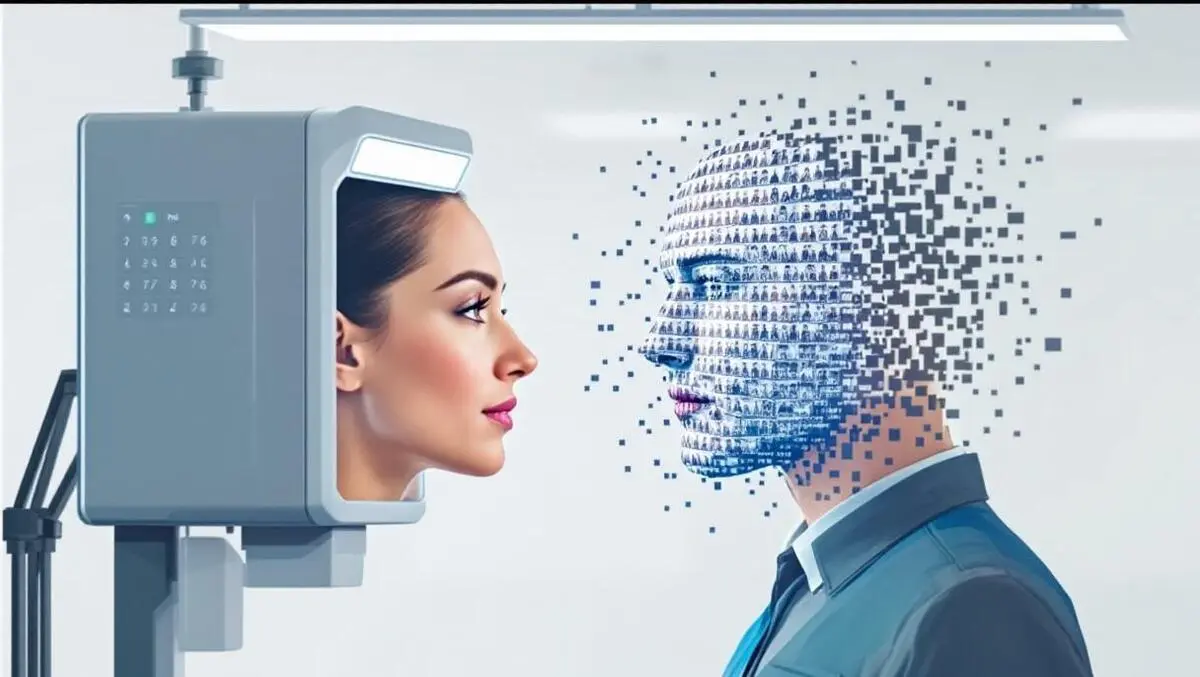
iProov, HYPR unite to combat deepfake workforce fraud
Thu, 8th Jan 2026
Biometric security firm iProov has formed a strategic partnership with identity assurance company HYPR to target AI-driven workforce identity fraud, including synthetic identities and deepfakes, at the point of employee onboarding.
The companies are integrating iProov's liveness detection technology into HYPR's Affirm platform. The integration uses OpenID Connect and places a biometric check at the first stage of digital workforce access.
The joint offering focuses on preventing fake or fraudulently controlled worker accounts from entering corporate systems. It also targets weaknesses in account recovery and credential reset processes, which are frequent entry points for attackers.
The threat landscapeThe move comes as companies face rising impersonation attacks that use advanced AI techniques. Criminal groups and state-backed actors now deploy deepfakes and synthetic media to bypass traditional identity checks.
The announcement highlights a recent case involving more than 300 US companies that were reportedly infiltrated by North Korean operatives. That operation is estimated to have generated about USD $17 million for the Democratic People's Republic of Korea regime and exposed gaps in enterprise defences against workforce identity fraud.
Vendors and security teams increasingly view the onboarding stage as a primary target for attackers. Fraudulent workers who pass initial screening can gain long-term access to sensitive systems and data, often with legitimate credentials.
iProov's technology focuses on liveness detection. It checks that a real human is present at the point of verification, rather than a recorded image, synthetic media, or a manipulated video stream.
HYPR's Affirm platform offers passwordless authentication and identity assurance workflows. The integrated system places the biometric liveness check at the start of those workflows.
Zero-trust focusThe partnership positions biometric identity proofing as a foundation for zero-trust security strategies. Zero-trust models require strict verification at every step of access, but many organisations still rely on legacy methods when they first enrol users.
HYPR and iProov aim to create a single process that links initial identity proofing with everyday authentication for employees and contractors. The intent is to reduce the risk that a compromised or fabricated identity remains in use for a long period.
Bojan Simic, Chief Executive of HYPR, said the integrity of the workforce faces a growing challenge.
“The integrity of the workforce is under siege, and deepfakes are the new breach vector for nation-states and organized crime,” said Bojan Simic, CEO of HYPR. “This is a wake-up call: zero-trust access is only as strong as the initial identity proofing. By integrating iProov's certified liveness defense directly into the HYPR Affirm platform, we are delivering an immutable identity baseline that enables true zero-trust security from day one.”
The integration places iProov's biometric checks at the start of the onboarding journey inside the HYPR Affirm platform. Users enrol with a liveness check before they obtain credentials or gain ongoing access.
Liveness and complianceiProov states that its liveness checks meet the US government's NIST Digital Identity Guidelines. The company says its system has undergone independent testing and offers multi-layered detection against deepfakes and synthetic media.
The combined product validates that the person registering is both the correct individual and a live human at the time of onboarding. It also supports real-time checks during later authentication events.
The companies say the approach offers auditable evidence that organisations have applied strong identity proofing at the point of workforce entry. That evidence is increasingly important for compliance and regulatory reviews in sectors such as financial services and government contracting.
The integration also extends to account recovery scenarios. Users who need to reset credentials or regain access can undergo biometric verification, which is intended to reduce the success rate of account takeover attempts.
Target sectorsThe partnership targets enterprises in sectors that face stricter identity requirements and a higher risk of state-linked attacks. These include government, defence, financial services, critical infrastructure, and large technology employers.
Andrew Bud, Founder and Chief Executive of iProov, said organisations face an escalating threat.
“Enterprises across all sectors are under attack and must take the necessary steps to secure themselves against this quickly evolving identity threat by prioritizing one of the single most critical points in the workforce lifecycle: the start,” said Bud. “By combining iProov's liveness technology, which meets the rigorous standards of the US government's NIST Digital Identity Guidelines, with HYPR's unified Identity Assurance platform, we're empowering organizations to defend against sophisticated workforce onboarding fraud, including synthetic identities and deepfakes, providing a secure yet seamless user experience.”
Both companies expect demand for stronger workforce identity proofing to increase as deepfake generation tools become more accessible and as regulators place more scrutiny on organisational access controls.