

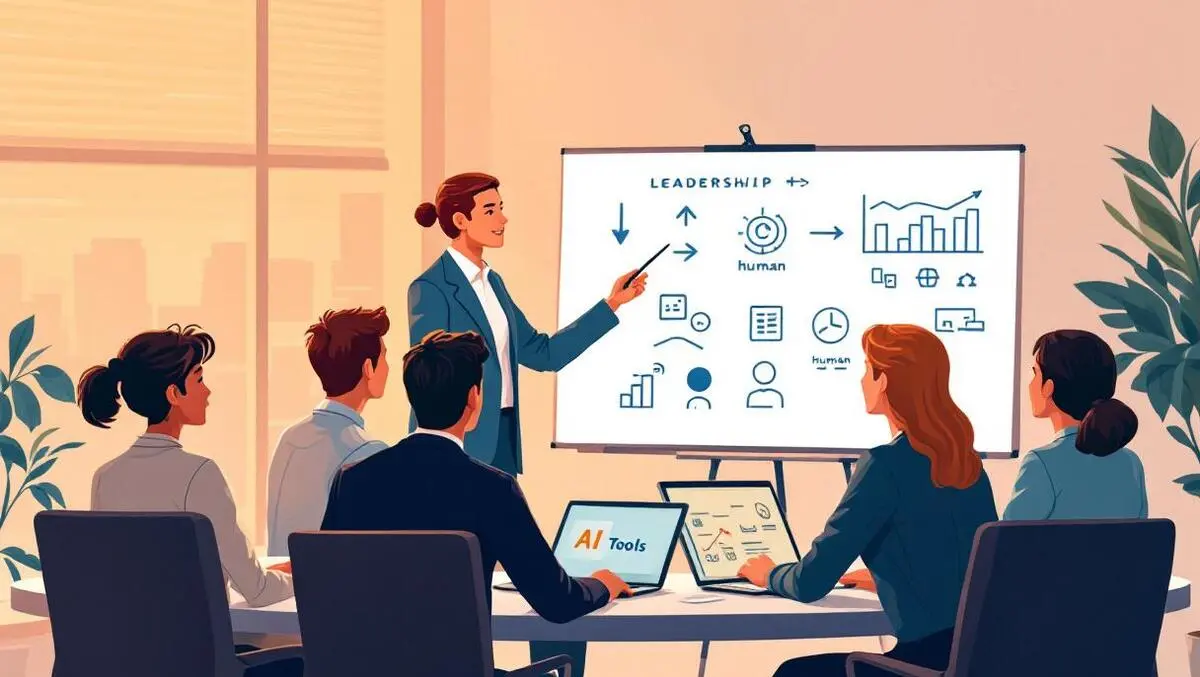

Degreed has published new data pointing to a growing appetite for human and business skills, even as artificial intelligence spreads across workplace learning and development.
An analysis of learning activity on the platform found that seven of the 10 most sought-after skills for 2026 were human- or business-centric. Leadership and communication ranked first and second, with project management and problem solving also near the top.
The top 10 also included technical topics such as Microsoft Excel, data analytics and Python. The results suggest professionals are focused on how technology is applied inside organisations, not just how to use new tools.
Top Skills
The top 10 skills professionals want to learn in 2026 were: Leadership; Communication; Project Management; Problem Solving; Customer Service; Microsoft Excel; Data Analytics; Python; Adaptability; and Stakeholder Management.
The data set measured the number of learning pathways created in 2025 for each skill on the Degreed platform. Learning pathways group training content and activities around a particular skill area, and often reflect both employee interest and internal development initiatives.
Human skills have long been a theme in corporate training, but the latest ranking comes as companies invest heavily in AI tools. Many organisations have rolled out chatbots, automated reporting and AI-assisted content creation, increasing pressure on workers to adapt to new workflows and manage risk, quality and accountability.
Degreed linked these learning choices to that shift, noting that AI is changing how people learn through personalisation, automation and insight into progress. At the same time, demand is growing for skills that shape judgement, coordination and decision-making.
"The future of work isn't about choosing between AI and human capability, but finding ways of bringing them together," said David Blake, CEO of Degreed.
"AI is transforming how people learn, making development faster, more personalized, and more accessible. But the skills professionals are currently most eager to build are deeply human. Organisations that invest in these capabilities alongside AI fluency will be best positioned to adapt, innovate, and lead in an increasingly complex world," Blake said.
Sector Differences
Degreed also broke out themes by industry. Financial services, healthcare, manufacturing and energy all showed demand for leadership, communication and adaptability, while risk management emerged as a consistent focus across those sectors.
In financial services, professionals prioritised customer-centric communication and stakeholder management. Degreed linked that pattern to regulated environments, where scrutiny and compliance obligations shape decision-making and customer interactions.
Healthcare workers showed interest in inclusivity, resilience, collaboration and data-informed decision-making. As many employers expand digital systems and data collection, it has become harder to separate technical change from daily operations and workforce wellbeing.
Manufacturing and resources-related industries showed a different profile. Manufacturing and mining, and oil and gas, placed emphasis on leadership, project execution, problem solving and change management. AI and automation are also becoming more visible in industrial settings, with companies exploring predictive maintenance, process optimisation and more automated inspection and monitoring.
Professional services and IT combined leadership, project management and problem solving with elevated interest in data analytics, programming languages, AI and software development. The blend reflects a labour market in which technology teams are expected to engage more directly with business outcomes, while client-facing roles face growing pressure to understand data and automation.
Degreed framed the results as a sign that businesses are putting human capital at the centre of their 2026 planning. That includes developing managers, strengthening team communication, and building skills that govern how AI is used-shaping accountability, customer experience and operational resilience.
The pattern also points to rising demand for professionals who pair technical knowledge with business judgement and leadership as AI becomes embedded in everyday workflows.