

.webp)
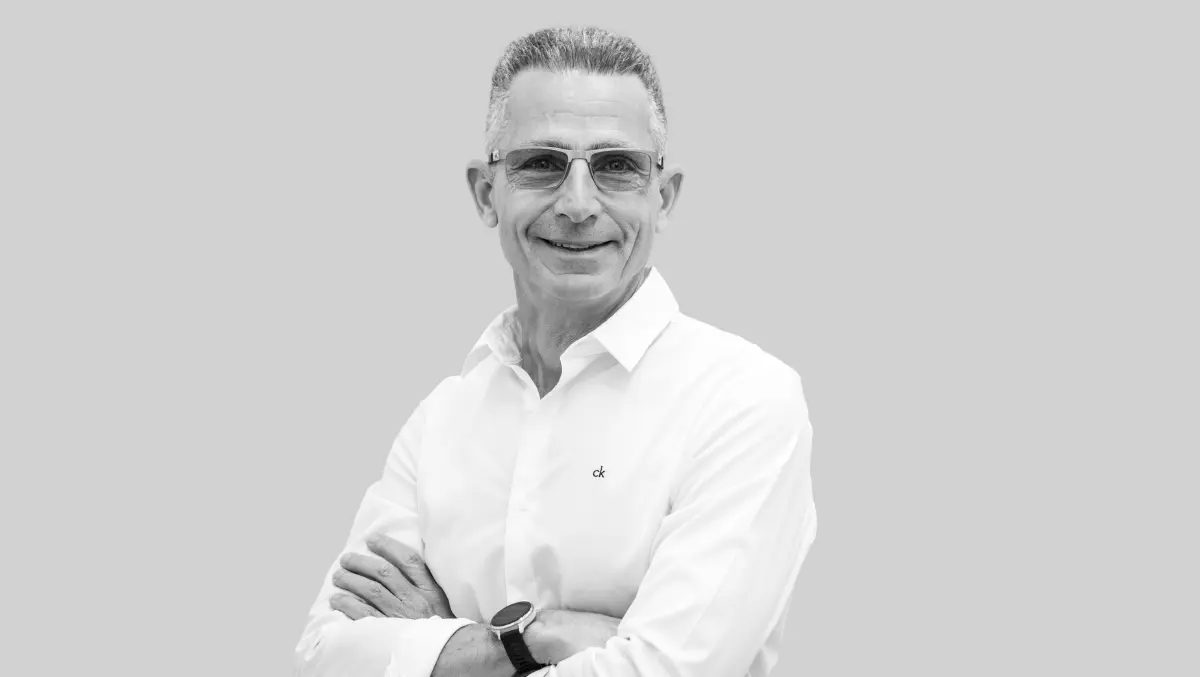
CTERA has appointed Tal Sarfaty as Senior Vice President of Cybersecurity as it expands a cyberstorage initiative focused on data-layer resilience.
Sarfaty joins from Citi, where he was Senior Vice President and Head of Cyber Security Innovation. At CTERA, he will lead cybersecurity strategy across product direction, customer engagement and market education as companies place greater emphasis on protecting storage systems from attacks rather than relying solely on backup and recovery.
The appointment is part of a broader push by CTERA to position itself in the emerging cyberstorage market. The category reflects a shift in enterprise security thinking, with storage increasingly viewed as an active line of defence rather than a passive repository for critical information.
That shift has accelerated as ransomware groups and other attackers target production data, recovery environments and storage control systems. Businesses are also reassessing how to verify that restored data is safe to return to live operations after an incident.
CTERA cited recent market research that identified cyberstorage as a distinct segment and outlined features organisations should assess when evaluating providers. These include anomaly detection and immutable snapshots, both of which have become central to enterprise efforts to limit the impact of cyberattacks.
Sarfaty brings experience from a large regulated financial institution, where resilience and security controls are closely scrutinised. That background is expected to help shape CTERA's approach as it works with large companies facing complex storage security requirements.
The company's platform includes behavioural ransomware detection at the edge, honeypot-based stealer detection, immutable air-gapped audit logs and selective recovery tools. It also uses a Zero Trust model that treats remote edge devices as untrusted, aiming to limit lateral movement if a site is compromised.
These features reflect a broader trend in enterprise technology spending as companies look beyond perimeter security and seek to contain attacks closer to the data itself. Security teams are increasingly focused on identifying malicious activity early, isolating affected systems and restoring only verified data rather than bringing entire environments back online.
In regulated sectors such as banking, healthcare and government, these concerns carry added weight because disruption can have operational and compliance consequences. Storage systems sit at the centre of that risk because they hold core business records and often support multiple applications and remote sites.
CTERA said its cyberstorage strategy is designed to address those concerns by combining detection, containment and recovery assurance in the storage layer. It is also increasing investment in artificial intelligence-based defences and examining risks linked to quantum computing and changing regulation.
Before joining CTERA, Sarfaty led cyber security innovation at Citi. His remit included strategic initiatives spanning cyber defence, resilience and innovation in a large-scale enterprise environment.
He outlined his view of the role storage now plays in cyber defence.
"Next-generation storage systems are no longer focused on recovery. The storage layer is the last line of defense for data. It needs to proactively identify and prevent attacks, thereby avoiding the need for recovery. If we do end up needing to recover, we also must ensure that we can restore only what is necessary and that we can trust the data being brought into production," said Sarfaty.
Chief Executive Officer Oded Nagel said the hire is intended to help turn the cyberstorage concept into practical capabilities for customers operating under demanding security requirements.
"Tal brings deep experience from some of the most demanding enterprise environments. He will help translate the emerging cyberstorage category into practical, real-world capabilities for our customers," said Nagel.