


A survey by the Sustainable Energy Association of Singapore found that 92% of energy professionals expect artificial intelligence to play a significant or moderately significant role in the energy transition over the next five years. The poll reflects the views of 100 respondents across Southeast Asia.
The findings suggest AI has already moved beyond early discussion in much of the sector. Sixty per cent of respondents said they are running pilot projects or implementing AI solutions, while a further 24% said they are doing so successfully. Another 33% said they are exploring opportunities, and only 6% reported no current plans.
That level of activity comes with practical obstacles. Respondents identified data quality and availability, and the cost of implementation, as the joint biggest barriers, with 58% citing each issue. A lack of skilled talent was named by 39%, while 31% pointed to regulatory uncertainty.
The survey also found concern over the strain that rising data centre demand could place on Singapore's energy system. Forty-four per cent said the biggest effect would be increased pressure on energy supply and infrastructure, while 31% expected stronger demand for storage and grid upgrades.
Few respondents saw a direct upside from that expansion. Only 13% said data centre growth would expand renewable energy production, and just 5% said it would create new financing and investment opportunities.
Beyond AI, the poll points to wider unease about the pace of the regional energy transition. Overall, 78% said the transition across Southeast Asia is moving more slowly than it should, and more than 70% identified grid infrastructure and regional connectivity as the main barrier to address.
Regional links
Cross-border electricity trading remains one area where respondents expect gradual movement rather than a rapid breakthrough. On the ASEAN Power Grid, 24% said they expect significant cross-border power trading to be established in the near term, while 61% said bilateral and sub-regional agreements are more likely to expand. Only 15% said national priorities would continue to outweigh regional integration.
The annual survey has now run for four consecutive years and this time focuses on the effects of geopolitics and AI on Southeast Asia's energy landscape. It was conducted online and gathered responses from professionals working in the region's energy sector.
Singapore emerged as a focal point in the results because of the twin pressures of digital expansion and power demand. The rapid build-out of data centres has become a central issue for policymakers and operators as the country seeks to manage electricity supply, infrastructure needs and decarbonisation goals at the same time.
AI is increasingly being considered as part of that balancing act, especially in forecasting, demand management, storage and maintenance. But the survey suggests the sector still faces basic operational gaps, particularly in data access and quality, before wider deployment can become routine across the region.
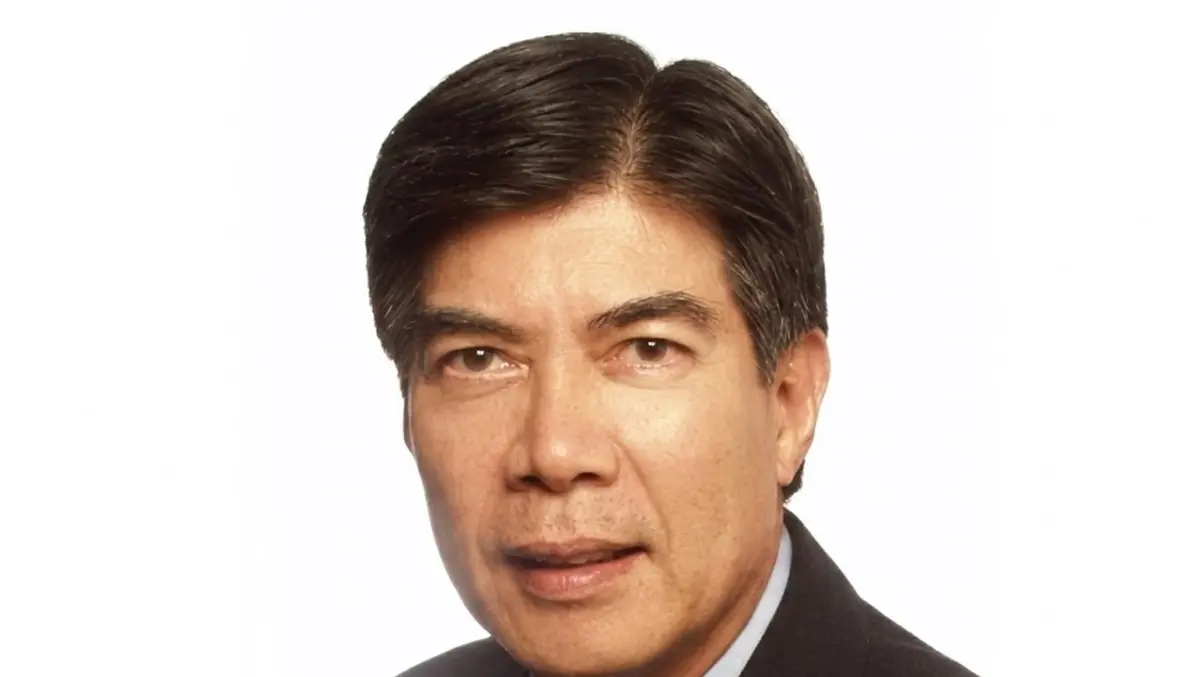
Er Edwin Khew, Chairman, Sustainable Energy Association of Singapore, outlined the industry view in comments accompanying the findings.
"The industry has recognised the significance of AI in accelerating renewable energy systems operation. AI will revolutionise how the industry manages output and weather forecasting, demand and grid responses, intelligent battery storage and microgrids, as well as predictive maintenance of existing renewable and sustainable assets. However, respondents are also aware of the constraints around data quality and availability. For AI to be successfully applied to grid and demand management, there needs to be real-time visibility from smart metering and sensors, supported by communications and data infrastructure, the deployment of which remains uneven across Southeast Asia. Our respondents also expect data centre growth to stress supply and infrastructure, especially for renewable energy and water. Meeting these demands will require more renewables, storage, regional power imports, high-quality water treatment (ultra-pure) and membrane recycling of cooling water, with AI helping to control and balance the system. What ASEAN needs specifically on regional energy security and availability is greater flexibility and collaboration on shared data to facilitate AI, storage and clarity on cross-border grid connectivity (APG) to support the region's energy security and transition goals," said Khew.
The findings present a picture of a sector willing to adopt AI but still constrained by infrastructure, skills and policy gaps. They also show that energy professionals increasingly see regional grid links and better shared systems as essential if Southeast Asia is to manage rising electricity demand and a slower-than-expected transition.
Among those surveyed, the message was that digital tools alone will not resolve the region's energy challenges without investment in grids, storage, metering and cross-border coordination.