Unmanned Aerial Vehicles (UAV) stories
Demand for faster target recognition is pushing Australian uncrewed systems firms to combine sensors and autonomous platforms across the Asia-Pacific region.
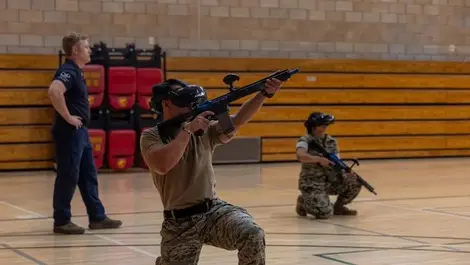
The deal gives xReality Group a Marine Corps reference customer and a foothold in growing counter-drone training demand across the U.S. military.
The three-year deal gives the Australian-listed company a route to US defence orders as concern over small drones near bases intensifies.
Revenue visibility has risen above AUD $250 million as DroneShield secures its first RfRecon order and prepares for a finance handover.
Defence contractors and government buyers are weighing a longer-endurance drone that Iveda says can support surveillance, safety and response work.
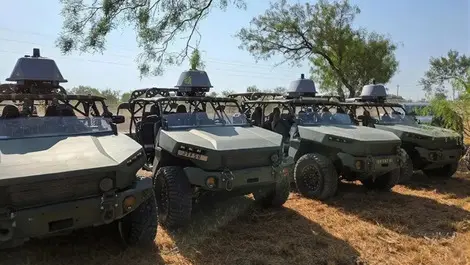
The startup plans to deploy its automated defence system to key customers by end-2026, after field tests with the US Army and special forces.
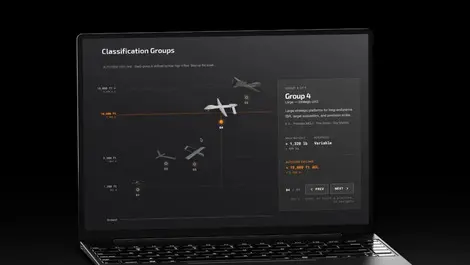
The quarterly software release reaches more than 4,200 deployed systems, helping operators spot unfamiliar drones sooner without new hardware.
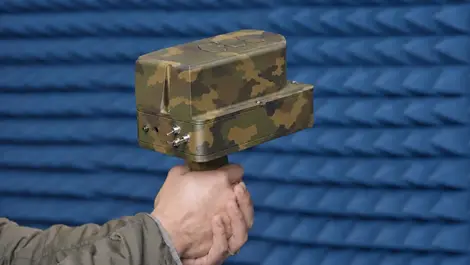
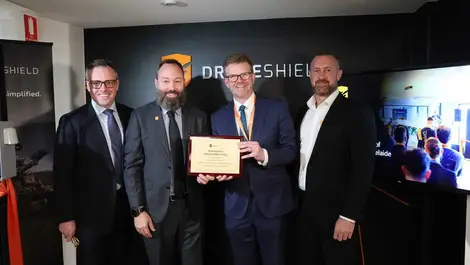
Portable protection against battlefield drones may soon reach every soldier, after the Australian device won recognition for meeting a growing frontline need.
Customers will get ongoing software updates, training and support as DroneShield shifts its counter-drone products to a recurring service model.
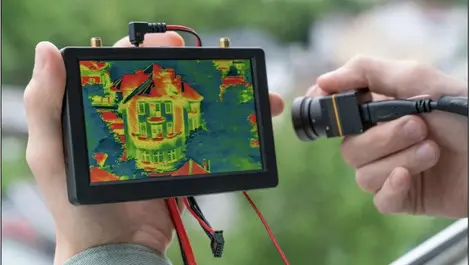
Buyers could face fewer post-settlement surprises as drones, thermal cameras and LiDAR expose hidden defects in New Zealand homes.
Road authorities may be missing hidden hazards as heavier rain and extreme weather increase landslip risks on high-risk corridors across Australia.
The AUD $13 million site will widen DroneShield's engineering reach as demand grows for counter-drone systems and skilled staff intensify.
Rising rain-driven landslide risks are leaving road users exposed as inspectors miss unstable slopes hidden from view, a consultant warns.
Ottawa is deepening defence ties with Kyiv through new drone, energy and reconstruction funding as President Volodymyr Zelenskyy visits Canada.
The deal adds about 100 staff and gives RSK a wider base in New Zealand's water, infrastructure and energy markets.
Authorities could miss dangerous slope hazards on steep routes unless aerial checks become routine, Civil Geotechnical Consultants says.
Government backing for the AI-enabled platform gives OptiValue an early foothold in a market where buyers are spending on airspace security and resilience.
Food and medicine deliveries to remote communities could become cheaper as Ribbit trials autonomous cargo flights from retrofitted aircraft.
Public safety and emergency teams could get longer overwatch and delivery missions as gas-powered drones stay airborne for more than 150 minutes.
A quantum clock trial could help keep military radar working in jamming or spoofing attacks, protecting a £1.42 billion-a-day UK risk.