

Supply Chain Security stories

FIRST conference highlights AI & CVE disclosure push
Today
#
iot security
#
application security
#
ai security
FIRST conference in Scottsdale draws 500-plus as security leaders and AI firms debate vulnerability disclosure, CWE's role and CVE's future.

OpenAI launches Trusted Access for Cyber with major names
Today
#
network security
#
cloud security
#
supply chain
OpenAI expands Trusted Access for Cyber with Bank of America, BlackRock and others, backing defenders, researchers and open-source security teams.

GitLab 18.11 adds AI agents for security & pipelines
Yesterday
#
devops
#
application security
#
devsecops
GitLab 18.11 rolls out AI agents for security remediation, pipeline setup and delivery analytics, plus new spending caps on GitLab Credits.

Azul momentum surges as enterprise Java demand jumps
Yesterday
#
devops
#
data analytics
#
digital transformation
Azul wins a bigger enterprise foothold as FY26 bookings leap, partners expand and a Thoma Bravo-backed deal and Payara buyout widen its Java push.

OpenSearch foundation launches long-term support programme
Yesterday
#
data analytics
#
digital transformation
#
martech
OpenSearch set out its first enterprise support framework as new long-term releases promise 18-month cover, faster CVE fixes and certified vendors.

Ransomware activity stays high as new groups surge
Yesterday
#
ransomware
#
advanced persistent threat protection
#
supply chain
GuidePoint says ransomware attacks stayed elevated in Q1 as The Gentlemen surged, construction became a top target and extortion-only tactics spread.

Manufacturing leads ransomware targets in 2025 report
Yesterday
#
dr
#
vpns
#
ransomware
Manufacturing was the most targeted sector for ransomware in 2025, as Check Point counted 1,466 attacks worldwide amid rising supply chain exposure.

Capsule Security raises $7 million to guard AI agents
2 days ago
#
pam
#
cloud security
#
application security
Capsule Security emerges from stealth with $7 million backing to police AI agents at runtime as enterprises widen their use.

OpenAI expands cyber access for verified defenders
3 days ago
#
application security
#
socs
#
physical security
OpenAI broadens Trusted Access for Cyber to verified defenders, giving vetted users GPT-5.4-Cyber for tougher security work and code analysis.
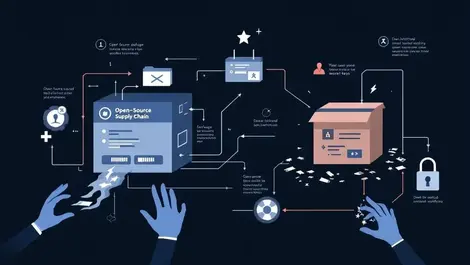
Sonatype warns of surge in trusted open-source malware
3 days ago
#
application security
#
devsecops
#
supply chain
Sonatype flags 21,764 malicious open-source packages in Q1 2026, with npm hit hardest as attackers used trusted workflows to steal secrets.

Cyber teams unready for major attack, Sygnia finds
3 days ago
#
ransomware
#
digital transformation
#
public cloud
Most companies lack confidence in cyber defences as a Sygnia survey finds major gaps in visibility, coordination and board-level readiness.

Ledger appoints Ian Rogers to lead AI security push
3 days ago
#
crypto
#
fintech
#
mdm
Ledger names Ian Rogers as Chief Human Agency Officer, putting hardware approval and human oversight at the centre of its AI security push.

KnowBe4 launches Agent Risk Manager for AI agent security
3 days ago
#
data protection
#
digital transformation
#
physical security
KnowBe4 unveils Agent Risk Manager to monitor autonomous AI agents in real time, flag prompt injections and curb rogue data access.

GitLab expands Google Cloud partnership for Vertex AI
3 days ago
#
devops
#
hybrid cloud
#
cx
GitLab deepens Google Cloud partnership so Duo Agent Platform users can tap Vertex AI models, while counting the spend against existing commitments.

Forrester says Anthropic AI could break patch playbook
4 days ago
#
hybrid cloud
#
digital transformation
#
application security
Forrester warns Anthropic's Project Glasswing could overwhelm vulnerability management, as AI uncovers flaws faster than patching teams can respond.

Booking.com warns some customers of possible data exposure
5 days ago
#
data protection
#
endpoint protection
#
mfa
Booking.com tells some customers to watch for phishing after suspicious activity exposed reservation details, contact data and messages linked to bookings.

AI agents expose major API security gap, Salt warns
Last week
#
manufacturing
#
digital transformation
#
cloud security
Salt warns AI agents are widening the API security gap, with 92% of organisations still short of advanced defences and 47% delaying releases.

Yokogawa lands cyber certification for plant control systems
Last week
#
manufacturing
#
iot security
#
supply chain
Yokogawa wins three cybersecurity approvals for control, safety and connectivity products as plant operators face tighter scrutiny over cyber risk.
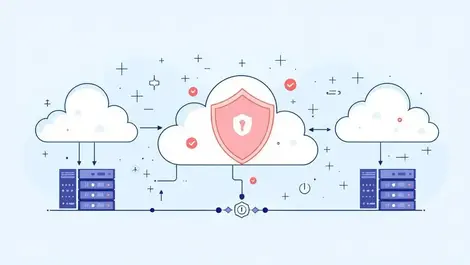
Intruder adds container image scanning to cloud platform
Last week
#
virtualisation
#
devops
#
hybrid cloud
Intruder expands cloud security platform with registry-level container image scanning for AWS, Google Cloud and Azure users.

Lumen warns of malware-backed proxy networks in APAC
Last week
#
firewalls
#
vpns
#
network infrastructure
Lumen says malware-backed proxy networks are helping attackers hide in plain sight across Asia Pacific, as AI speeds up infrastructure changes.