Simulation stories
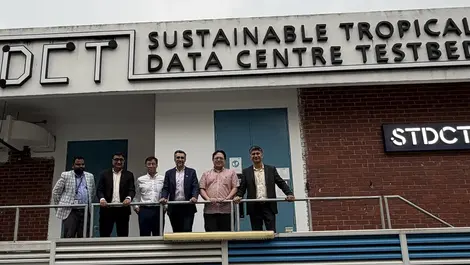
Cooling could account for up to 40% of energy use in tropical data centres, spurring research on cheaper, more efficient systems for AI workloads.
OT teams can now validate cyber controls in a simulated environment before deployment, reducing the risk of disrupting live industrial systems.
Industrial users are adopting AI only in tightly bounded roles, as safety, power and integration constraints keep deployments under close human control.
The seed round will help expand Physicl's platform, which lets physical AI teams recreate edge cases and test fixes against them.
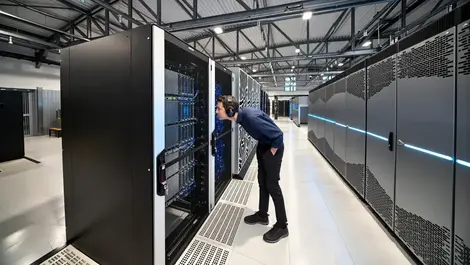
The deployment could cut energy use for event-based AI workloads by 18X as Europe's first exascale supercomputer site tests sparse-native hardware.
The new machine gives businesses enough memory to run several AI models at once on dedicated hardware, with pricing from €3,599 a month.
The move could speed up vehicle software integration by more than 10 times, cutting dependence on hardware benches and test rigs.
Oracle is aiming to help manufacturers cut tariff exposure and freight costs with new agentic supply chain apps that simulate scarce resources and margins.
The pre-seed cash will help RhymeQ widen access to quantum programming, aiming to let ordinary developers code with basic Python skills.
Engineers at manufacturers can now automate tedious simulation steps as Neural Concept's MCP Bridge links AI agents to CATIA, NX and Abaqus.
The recognition underlines growing demand for tools that help lenders, banks and insurers test and change decisions faster without losing control.
Manufacturers may gain faster engineering and maintenance work as Rockwell links AI agents, workflows and industrial software in one platform.
Businesses are being pushed to rework cloud estates faster, as InfrOS says AI-optimised infrastructure spending will climb 96% to USD $42 billion in 2026.
As employers roll out AI across the workplace, React says managers still need live practice to handle difficult conversations with judgement and empathy.
The New York-based startup says its simulation tools can catch agent failures before customers see them, after closing a USD $13 million seed round.
As AI agents take on bigger tasks, firms will be pushed to prove they can control them safely and justify the spending.
The release gives enterprises a high-level robot control layer that can verify tasks, plan longer workflows and share workspace understanding across machines.
The new service targets higher costs and slower deployment for teams building models for robotics, manufacturing, biology and defence.
The startup says its simulation tool could cut costly robot training and reduce the risk of damaging machines before deployment in factories and warehouses.
The funding gives the San Francisco start-up room to expand its behaviour simulation tool, which claims to cut user research time and improve product decisions.