NVIDIA Blackwell stories
The new Seoul lab deepens South Korea's push to build AI talent and infrastructure as global demand for compute and chips surges.
Electricity is becoming the main bottleneck for AI data centres as new Nvidia partnerships aim to raise output per megawatt.
Interrupted batch workloads can now resume where they stopped, potentially cutting wasted compute and delays for Google Cloud customers.
The move deepens Nvidia's grip on AI server design as cloud customers seek tighter integration, lower power use and faster deployment.
Rising demand for validated AI infrastructure is driving Cisco and NVIDIA to add rack-scale support for larger enterprise deployments.
Enterprises in Asia-Pacific are moving AI from trials to production, driving demand for low-latency, distributed computing closer to users and data.
The deal ties QumulusAI's returns to a hedge fund's trading gains, adding profit sharing to standard compute fees and heightening revenue risk.
Agentic AI systems are driving a shift to continuous post-training, which NVIDIA says will shape future demand for its Vera Rubin platform.
Energy and cooling limits are becoming the real bottleneck for AI operators, as NVIDIA says Blackwell racks can lift output within fixed power budgets.
Healthcare, legal and search firms are cutting AI costs and keeping data in-house by tuning Nvidia's open Nemotron models for niche tasks.
Demand for sovereign AI compute has forced the Gagarin site to expand within weeks, with capacity set to rise to 5MW by year-end.
Azure customers can now deploy Claude for governed enterprise agents as Microsoft Foundry widens access to Anthropic's models on NVIDIA GB300 hardware.
Customers should see faster AI search and training on AWS as NVIDIA makes GPU indexing the default and adds new EC2 G7 instances.
Security and governance tools are being added as enterprises push agentic AI from pilots into live production systems.
The new inference cloud is aimed at cutting latency and costs for enterprise AI, with a Los Angeles site live and Together.ai first to use it.
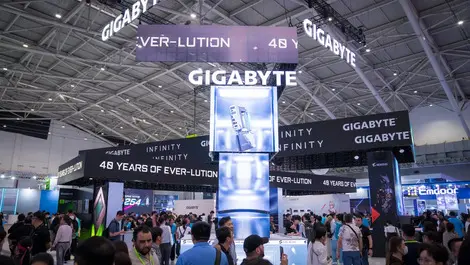
Local AI processing and gaming rigs took centre stage as Gigabyte unveiled new motherboards, graphics cards and laptops for Computex.
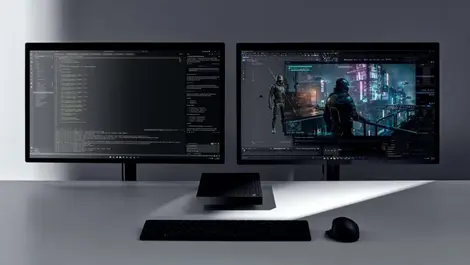
The compact desktop aims to cut cloud costs for AI developers by letting them fine-tune and run large models locally on Windows.
Windows PCs with up to 128GB of unified memory could let developers and creators run larger AI models locally, Microsoft said.
Creative professionals could run large AI and rendering workloads locally as ASUS adds laptops and a mini PC built on NVIDIA RTX Spark.
NVIDIA says US AI demand will add USD $485 billion to GDP in 2026 as it expands chip, systems and data centre manufacturing.