Emergency management stories
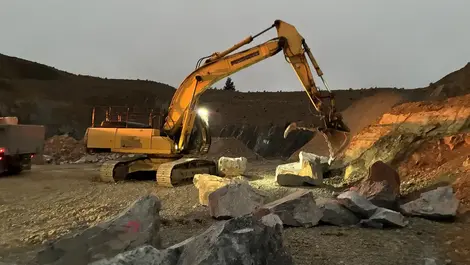
Its offline safety app for mine workers will be sharpened with Google help, as Co Connect joins a 15-startup AI cohort.
The programme targets buyers seeking integrated urban systems as Asia's cities race to link safety, data and emergency response.
Farmers are being urged to plan early as the predicted El Niño threatens drought, lower pasture growth and milk output across the Waikato.
Funding gaps leave Kaikōura's flood recovery reliant on regional rates, after the council's bid for Government help was knocked back.
Road authorities may be missing hidden hazards as heavier rain and extreme weather increase landslip risks on high-risk corridors across Australia.
Aucklanders are being told to brace for dry spells, strong winds and storm risk as a strong El Niño raises summer pressure on water supplies.
Up to GBP £500,000 has been set aside for an 18-month overhaul after a landslide review found warning signs were missed for years.
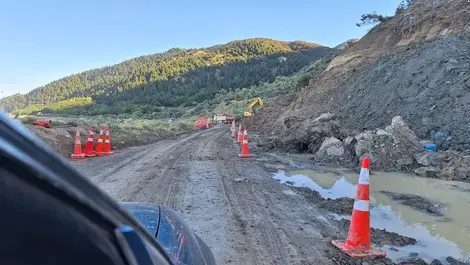
Road repairs from repeated storms have driven the council's emergency fund to a NZD $1.2 million deficit, with subsidies covering only part of the bill.
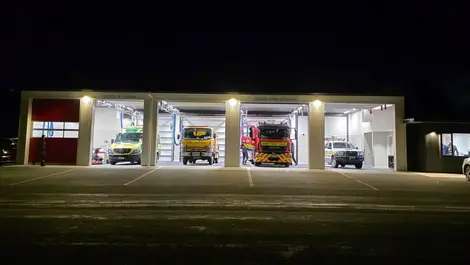
Cleaner and faster emergency callouts are expected once the nearly finished NZD $3.5 million Twizel station overhaul opens.
Cashflow strain may force a redesign of Westport's flood defences, with the council warning it could struggle to fund the scheme.
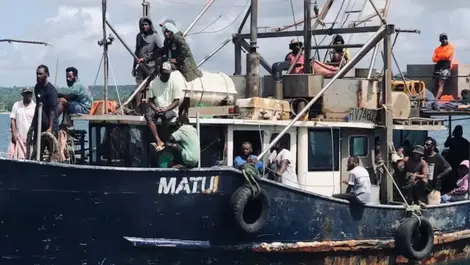
More than 30 people are still missing after the MV Matui sank in rough seas off Vanuatu, leaving rescuers scrambling for survivors.
Local leaders warn the date mix-up could leave councils short of their top officials during a nationwide tsunami drill in October.
South Island warmth and a June heat spike drove New Zealand's winter to 9.7C, with 27 places logging record seasonal temperatures.
Water restrictions are likely to come in earlier than usual as scientists warn the district faces one of the strongest El Niño events in recent history.
Wairoa councils will soon be able to clear river mouths and debris sooner, after floods exposed delays in emergency response.
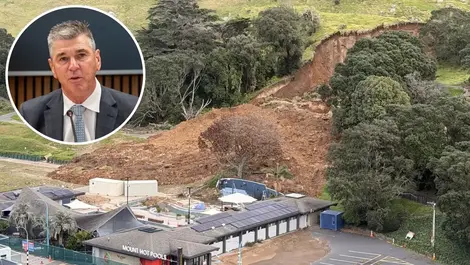
Council chiefs faced intense scrutiny after a review said six deaths in the Mount Maunganui landslide were preventable, with inquiries still under way.
Emergency response funding could be squeezed under planned rates caps, prompting Southland Civil Defence to seek an exemption from the Minister.
Poor communication can deepen the fallout from a workplace incident, leaving employees, families and regulators without timely, accurate updates.
Climate risks are already costing New Zealand billions a year as the government faces renewed criticism for its patchy adaptation plan.
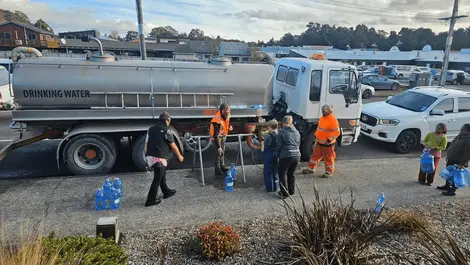
Residents of the Ruapehu town were left without taps for nearly three days after a pipeline break went undetected, prompting calls for outside scrutiny.