Digital divide stories
The new routes are set to improve resilience and speed for cloud and streaming traffic across Latin America, the Caribbean and North America.
Regional mobile services generated USD $1 trillion in economic value in 2025, but growth now hinges on AI, trust, resilience and sovereignty.
Weekly mobile blackouts are pushing drivers towards satellite links, with 75% willing to pay and safety seen as the main draw.
Narrowing gaps across the bloc suggest smaller firms are gaining from digital upgrades, with research and innovation posting the sharpest rise.
A new 100,000-sentence dataset could improve translation and classroom tools for Sinhala and Tamil, where AI support remains patchy.
Early momentum is prompting a broader push to bring more Canadians into open source, with 31,000 visits and 1,181 library entries.
Australian workers with digital skills can command pay rises of up to 26% as employers demand them in nearly nine in 10 job ads.
London's small firms are more likely to be adopting AI, with 41% already using it as faster-growing businesses embrace the technology.
New Zealand's tech growth is being constrained by a deepening talent shortage, with firms struggling to fill AI, cyber and cloud roles.
Consumers aged 60 and over are most likely to stick with AI support if it solves problems, highlighting performance as the key loyalty driver.
Smaller colleges could gain shared AI computing and training under a new NSF-backed programme that NVIDIA says will widen access nationwide.
Smaller firms risk being left behind as medium-sized companies in New Zealand are far more likely to have AI embedded in daily operations.
Nearly half of UK citizens distrust AI in public housing services, despite workers reporting strong confidence in accessibility and delivery by 2028.
Rural and Indigenous communities risk being left behind as Ottawa's new AI plan scales up in cities without fixing internet and local training gaps.
Shoppers may be more likely to trade in or buy refurbished handsets after Virgin Media O2's in-store display demystifies recycling and reuse.
The awards aim to widen Māori access to tech careers by funding study, mentoring and business links for 18- to 25-year-olds.
Operators can now gauge line-of-sight, weather risks and yearly availability before installing Taara's fibre-like light links.
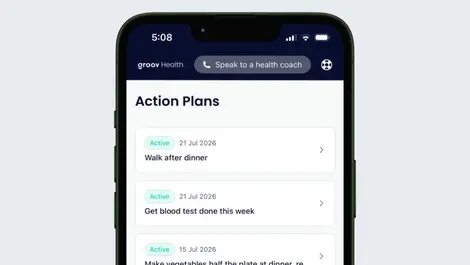
Patients at selected Tāmaki Health clinics can now get round-the-clock coaching between appointments as demand for primary care rises.
The broadband provider aims to cut manual contract work and improve oversight as its supply chain and network footprint expand.
Gaps in access and affordability are leaving one in 10 New Zealand households offline, prompting calls for stronger public investment and resilience.