Climate change stories
The report developed with McKinsey also urges industry collaboration to advance the region's clean energy transition.
The company will use the Sagarmatha Next Centre with cutting-edge technology to showcase the video and offer additional opportunities.
Going green is no longer just a catchphrase; it has become an increasingly mainstream and integral aspect of conducting business.
The 5G energy consumption modelling challenge, curated by Huawei, aims to develop machine learning models that reduce energy consumption.
The certification supports the company's corporate social responsibility commitment to reducing environmental impacts.
The audit certified that Digital Realty is on track to meet the specific SRI goals for 2030, underpinning the overarching goal of the Climate Neutral Pact.
Software plays a crucial role in supporting the transition to a sustainable future, from renewable energy to carbon market development and more.
Huawei and Masdar City released the High-Quality 10 GBps CloudCampus: Net Zero Campus White Paper at Huawei Network Summit 2023.
A proposed USD $35-45 billion crossing is being criticised for entrenching car dependency while risking the loss of promised light rail.
The new tool provides users with a report that helps illustrate how infrastructure choices can impact an environmental footprint.
Transport critics say National's road-heavy plan revives costly schemes, with old estimates leaving a multibillion-pound funding gap.
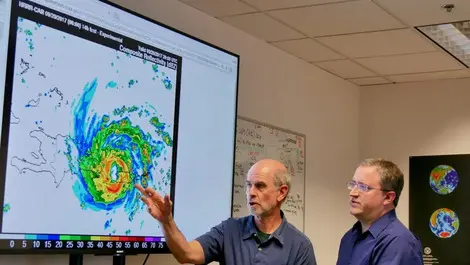
Additional funding will boost flood forecasting and climate adaptation work after recent cyclones exposed gaps in New Zealand's resilience.
Akahu and Cogo have partnered to provide banks with carbon emissions insights from transaction data, helping individuals reduce their impact on the planet.
A report of 3,000 executives, including 250 from Australia, reveals Australian shortfalls in sustainability leadership and critical challenges in actioning ESG.
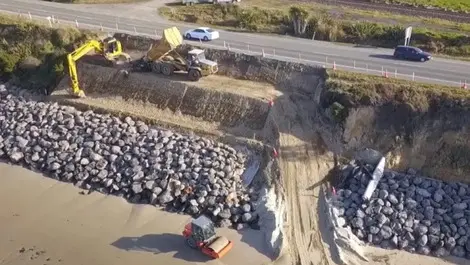
In civil construction, the concept hinges on system boundaries, with finite resources, waste and carbon shaping whether projects can endure.
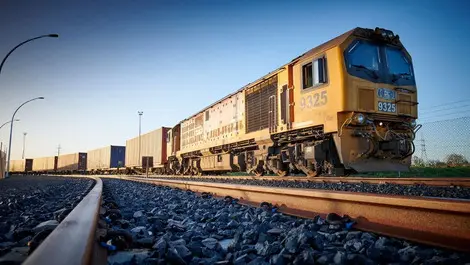
The new Hamilton facility could cut cargo costs by up to 30% and shift Upper North Island freight off roads and onto rail.
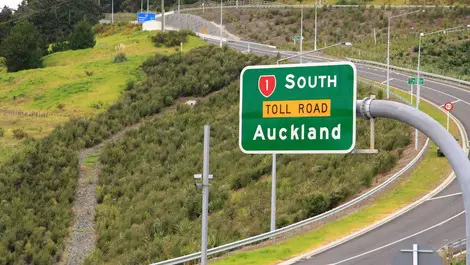
Drivers could face tolls on more roads under ACT’s plan, which would let private investors fund, build and maintain new routes faster.
Developers face 16 new minimum tests under a consultation that could reshape New Zealand green building certification from mid-2024.
A 30-year push to close the infrastructure backlog would absorb resources from schools and police, Dr Matthew Birchall warns.
Civil contractors warn the next emissions plan could slow vital infrastructure delivery unless it backs proven low-carbon options and recycling.








.webp)