Civil Engineering stories
New roads, rail, schools and hospitals should help address years of underinvestment, though critics question whether USD $12 billion is enough.
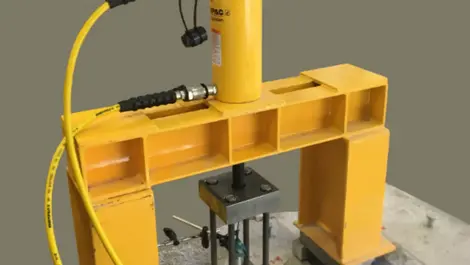
New Zealand buyers face costly downtime and safety risks as lookalike cylinders sold for under GBP £500 lack warranty, service and standards backing.
Companies can face serious penalties if they hire untrained contractors, after a forestry worker suffered major chest injuries in Waitakere.
Contractors still need project-by-project details, with major transport work due to wind down within 18 months and risking industry capacity gaps.
The $5.3 billion project will ease pressure on Sydney’s aviation network, with earthworks due to begin next year at Badgerys Creek.
Civil contractors say the Government must back already designed transport works quickly to protect jobs as big projects finish.
Greater transparency on future works could help New Zealand firms plan labour and capital as the pipeline tops USD $20 billion.
Regular safety audits are helping construction firms lift compliance, with Site Safe warning many still lag on new hazard rules and reporting.
New procurement rules could ease contract risk and cut legal costs, if agencies shift from lowest price to outcome-led construction deals.
The deal should improve certainty for contractors and could cut costs as Watercare pursues long-term savings and sustainability goals.
Better procurement could unlock billions of dollars in value from New Zealand’s $129 billion infrastructure pipeline, industry groups say.
Researchers are improving concrete anchor safety by comparing pull-out tests with design predictions, helping contractors avoid unexpected failures.
After earthquakes, managers could know within minutes whether buildings are safe, cutting weeks of waiting for engineering reports.
Automation is pushing structural engineers towards creative problem-solving, with empathy and communication set to matter more than maths.
Jobseekers could cut training time from days to minutes as a new virtual reality tool is piloted to fill construction skills gaps in New Zealand.
Manufacturers are gaining cheaper, safer and lighter parts as advanced plastics replace metal in machinery, buildings and bulk handling.
A national pipeline could help civil contractors avoid boom-bust cycles and invest with more certainty, the industry says.
The Treasury’s new pipeline forecast could help contractors invest in staff and kit by giving clearer visibility of future government work.
A pledge to improve procurement, safety and housing supply aims to ease shortages and lift productivity across the sector.
Employers and trainees could benefit if planned reforms cut duplication, but the civil construction sector warns skills shortages may worsen if rollout falters.