

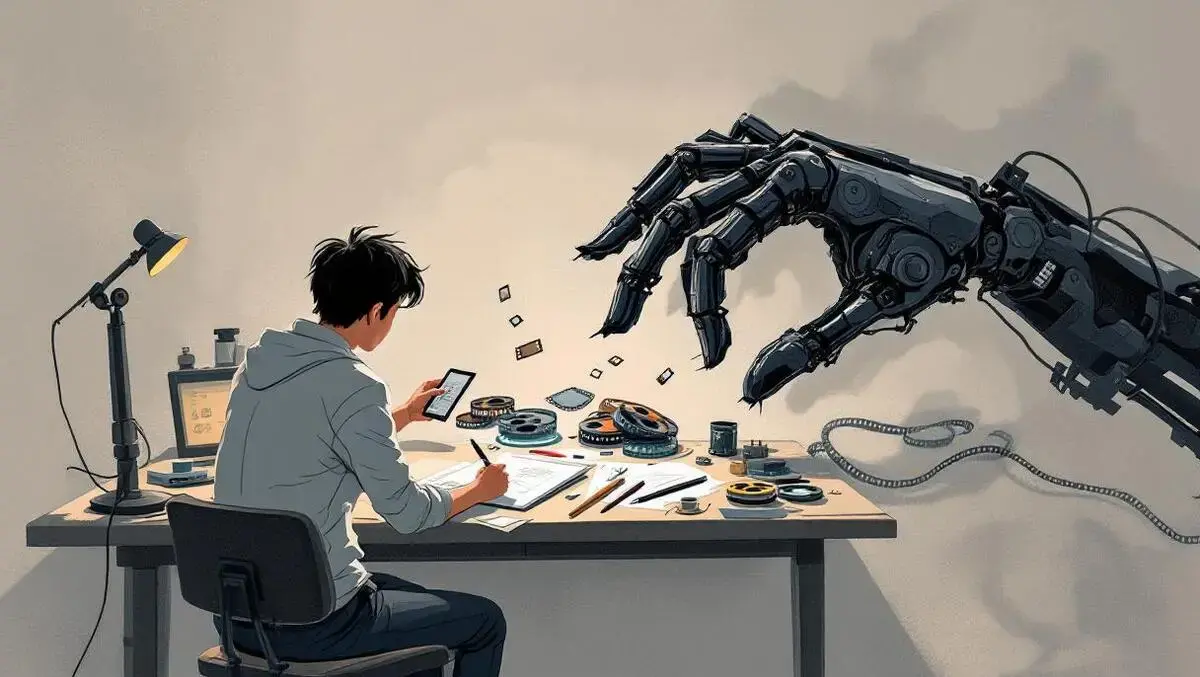
South Korea AI copyright plan sparks creator backlash
Tue, 7th Apr 2026.webp)
South Korea's Presidential Council has proposed a copyright exception that would allow online copyrighted works to be used in artificial intelligence data collection and analysis. The measure is part of a 98-point national AI action plan that has drawn opposition from creative industry groups.
Point 32 of the plan would create "explicit exceptions under the Copyright Act to allow copyrighted works to be used without legal uncertainty in the processes of collecting and analyzing data available on the web". It's stated aim is to reduce legal risk for developers using text and data mining, a practice at the centre of disputes over how AI models are trained.
The proposal has placed one of Asia's biggest cultural exporters at the centre of a broader regional argument over whether governments should give technology companies wider access to copyrighted material. South Korea's music, film and television industries are major export sectors, and critics say weaker copyright protections could undermine the economic model behind that growth.
Sixteen creator and rightsholder groups have issued a joint statement opposing the action plan, calling it "an attempt to fundamentally undermine copyright as a private property right".
Regional divide
The debate reflects a wider policy split across Asia and other markets over the balance between AI development and creator rights. Governments are under pressure to support domestic AI industries, while publishers, broadcasters, studios and artists seek safeguards over how their work is used to train systems that may later produce competing content.
Japan has introduced a text and data mining exception, but with limits. Material released alongside the South Korean debate says that safeguard does not apply where an unauthorised user gains commercial benefit from scraped content.
Australia, by contrast, has decided against introducing a similar provision, while India has no such exception in its copyright law. Those differing approaches have become reference points for groups arguing that South Korea has policy options short of a blanket exemption.
Existing rules
South Korea already has a fair use provision in its copyright framework, allowing courts to assess disputed uses case by case. That mechanism can permit reproduction without advance permission if specific conditions are met.
The action plan argues that fair use guidance being prepared by the Ministry of Culture would not do enough to remove legal uncertainty for developers. Supporters of stronger copyright protections say that view overlooks existing legal tools and shifts the burden of AI development on to creators whose work may be copied without consent.
The dispute has intensified as investment in AI businesses across Asia continues to rise. Recent funding rounds have included USD $50 million investments in regional technology ventures focused on AI development, adding commercial urgency to efforts to secure access to large pools of training data.
Creative economy
The issue is especially sensitive in sectors such as television drama, popular music and animation, where South and East Asian companies have built strong international audiences. Generative AI tools are already being explored by studios and independent creators as a way to produce some of that content more quickly.
Critics of broad scraping exemptions say the question is not whether AI should be used in cultural production, but on what terms. They argue that a model based on collecting copyrighted works first and settling rights questions later could weaken labour protections for artists, writers, musicians and other workers whose output supplies training data.
Another line of criticism focuses on licensing. Opponents of a wider exception argue that legal certainty can be achieved through negotiated access to content rather than through statutory permission to scrape material from the web.
Studios, publishers, broadcasters and music labels already control large catalogues that could be licensed for training under commercial agreements. Supporters of that approach say it would give developers access to high-quality regional language data while preserving payment flows to rightsholders.
The South Korean debate matters beyond its borders because of the region's role in global entertainment markets. If policymakers make it easier for AI firms to use local cultural material without permission, the effects could extend well beyond one country's legal system and influence how other governments respond to similar demands from the technology sector.
For now, the proposal has hardened positions between developers seeking clear legal cover and cultural groups demanding stronger consent and compensation rules. At stake is how one of Asia's most valuable export industries coexists with a fast-growing AI sector that depends on the content those creators produce.