

Singapore Airlines agrees deal for SAF from Aether
Fri, 30th Oct 2026 (Today)
Singapore Airlines has agreed to buy up to 4,800 tonnes of sustainable aviation fuel from Aether Beacon over three years from 2028.
The deal makes Singapore Airlines the first carrier to buy fuel from Project Beacon, Aether's planned production facility in Singapore.
The agreement gives the airline access to sustainable aviation fuel made from waste carbon feedstocks rather than conventional fossil-based inputs. Project Beacon is being developed at Aster's refining complex on Pulau Bukom.
The fuel will be made from feedstocks including biomethane and industrial waste gases using Aether's Aurora process. Aether said this route differs from the hydroprocessed esters and fatty acids pathway, which relies on lipid-based feedstocks that are more limited in supply.
Aether said its technology adapts the Fischer-Tropsch process to turn waste-derived gases into liquid aviation fuel. Fuel from the facility will be certified under the Carbon Offsetting and Reduction Scheme for International Aviation, it added.
Supply agreement
For Singapore Airlines, the purchase marks its first acquisition of sustainable aviation fuel produced using this type of waste-carbon conversion technology. It also supports efforts in Singapore to establish domestic production of lower-carbon aviation fuels.
Airlines have been seeking longer-term supply arrangements for sustainable aviation fuel as the industry faces pressure to cut emissions from flying. Supply remains limited worldwide, and many current projects rely on used cooking oil, animal fats and other feedstocks subject to competing demand.
Against that backdrop, alternative production methods have drawn attention from airlines, fuel producers and policymakers. By using biomethane and industrial waste gases, Project Beacon is part of a wider push to broaden the range of raw materials that can be turned into aviation fuel.
Lee Wen Fen, Chief Sustainability Officer at Singapore Airlines, outlined the airline's rationale for the deal.
"Supporting the development and adoption of SAF, and securing future supplies, are integral to SIA's ambition of achieving net zero carbon emissions by 2050. As the first airline to purchase SAF from Project Beacon, SIA is demonstrating demand for new lower-carbon fuel production pathways in Singapore. We will continue to work with partners globally to scale SAF production, strengthen the aviation industry's sustainability ecosystem, and support the transition to more sustainable air travel," Lee said.
Singapore base
Aether said it chose Singapore for its first commercial facility after building partnerships in the local supply chain. It linked the project to Singapore's refining and aviation infrastructure, as well as policy support for lower-emissions fuels.
Project Beacon is intended to be Aether's first commercial production site. The company plans to bring a larger plant into operation by 2031 with output at least 10 times higher than Beacon's as part of a broader expansion strategy.
That would mark a significant increase from the volumes covered by the Singapore Airlines agreement. Even so, the current arrangement offers an early indication of market demand for fuel made through non-HEFA pathways.
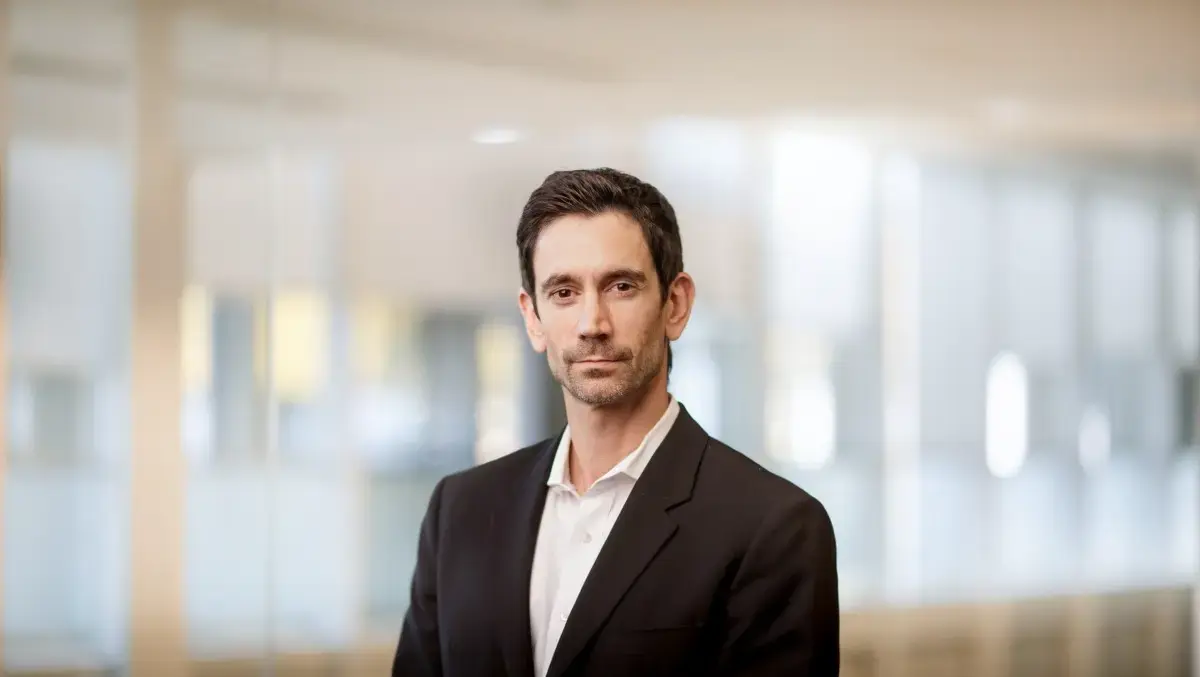
Conor Madigan, Co-Founder and Chief Executive Officer of Aether Fuels, said the supply deal followed an earlier memorandum of understanding between the two companies.
"When we signed our MOU with Singapore Airlines last year, Project Beacon had not yet been announced. Since then, we have selected Singapore as the home of our first commercial facility and built critical partnerships across the local value chain. Singapore is building a strong ecosystem for aviation decarbonisation through refining and aviation infrastructure, investment support, sustainability policies, and its position as a global aviation hub. This binding agreement is an important next step and a strong signal of committed demand from a leading global airline - exactly the type of collaboration needed to create the commercial conditions to bring new SAF pathways to scale," Madigan said.
The agreement comes as aviation groups in Asia look for ways to secure access to sustainable fuel ahead of tighter emissions requirements and airline net zero targets. For Singapore Airlines, it also adds a local supply element to a fuel category that has often depended on imports or pilot-scale arrangements.
Under the deal, deliveries are scheduled to begin in 2028, with total supply capped at 4,800 tonnes over the three-year term.