

Schneider Electric launches modular AI data centre design
Thu, 5th Nov 2026 (Today)
Schneider Electric has launched a prefabricated modular data centre reference design for AI workloads, built to support the NVIDIA Vera Rubin platform.
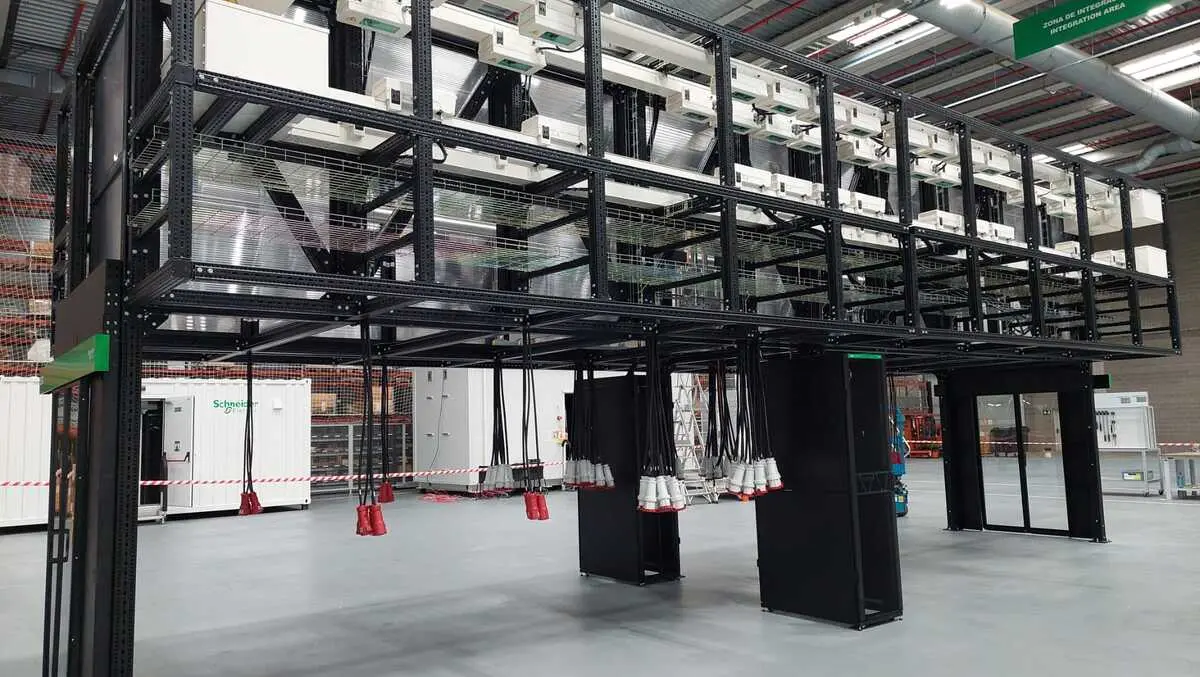
The RapidScale Modular Data Centre Reference Design 115 is a pre-engineered blueprint for high-density AI infrastructure, combining power, liquid cooling, IT systems, software and lifecycle services in a modular format.
Schneider Electric is positioning it as a response to a shift in data centre construction, as operators look for repeatable layouts rather than bespoke builds to meet rising demand for AI computing capacity.
The design is part of the group's RapidScale portfolio of prefabricated modular data centre systems. About 90% of the equipment used in the offer is made in-house, which Schneider Electric argues gives customers greater control over supply, deployment and long-term support.
Rising demand for AI infrastructure is putting pressure on developers to add capacity quickly while managing more complex power and cooling requirements. Schneider Electric estimates that global data centre capacity will increase by 170 GW by 2030, reaching 300 GW in total, with AI workloads accounting for about 65% of overall demand by the end of the decade.
That growth is straining traditional construction methods, particularly for facilities designed for dense computing environments. Higher power loads, more advanced cooling systems, pressure on grid connections and shortages of skilled labour have all made project delivery harder, especially for operators trying to bring new AI capacity online quickly.
Time study
Alongside the launch, Schneider Electric highlighted a research paper it co-authored with Compass Datacenters on installation times for prefabricated white space modules in a high-density, liquid-cooled deployment.
According to the study, prefabricated modular pods cut onsite installation time from 75.5 hours to 15 hours per pod, reducing installation duration by 80%. The research was based on a deployment at a Compass Datacenters hyperscale campus.
In a data centre, white space generally includes the IT rooms where computing equipment is installed, along with the concentration of supporting systems and trade work needed to bring that equipment into service.
"The white space brings together the greatest concentration of systems and trades in the smallest footprint, with each installation dependent on the one before it," said Adil Attlassy, Chief Technology Officer at Compass Datacenters.
"Working jointly with Schneider Electric, we engineered a prefabricated module that integrates these systems into a single assembly, eliminating the need to coordinate multiple scopes of work onsite. By reducing onsite installation time by 80%, we accelerate deployment and help our customers bring their workloads online sooner," Attlassy said.
Supply chain focus
Schneider Electric said the new design also reflects the importance of supply chain planning in large-scale AI data centre projects, where delays in key components can affect build schedules and increase project risk.
Its manufacturing capacity for this part of the business has grown fourfold since 2025. The company now operates eight primary sites with a combined 1.35 million square feet of capacity, alongside three additional facilities and 12 partner sites across 10 countries.
The design has been validated to ANSI standards for US deployments. Schneider Electric plans to extend the framework to support IEC standards for international use.
The company also describes RapidScale as a first step towards supporting the NVIDIA DSX POD reference design, intended to allow Vera Rubin-based AI infrastructure to be integrated and validated in a factory before shipment.
Competition in modular data centre infrastructure has intensified as cloud groups, colocation operators and specialist developers seek faster ways to build AI-ready facilities. Prefabrication has drawn attention because it can shift assembly and testing into factory settings, reducing the amount of work needed onsite.
Schneider Electric cited Omdia research ranking it as the largest global manufacturer of prefabricated power solutions, the largest manufacturer of prefabricated modular data centres in North America, and among the top six providers globally outside North America.
"As AI infrastructure scales at unprecedented speed, customers need solutions that are standardized, reliable, and deployable with certainty," said Manish Kumar, Executive Vice President, Secure Power & Data Centres at Schneider Electric.
"Through our portfolio of reference designs and prefabricated solutions, combined with global supply chain strength and lifecycle expertise, we help AI factory operators accelerate time to value while building the resilient infrastructure required for next-generation compute," Kumar said.