

NeuReality taps Amazon & Maersk veteran for AI push
Thu, 16th Apr 2026
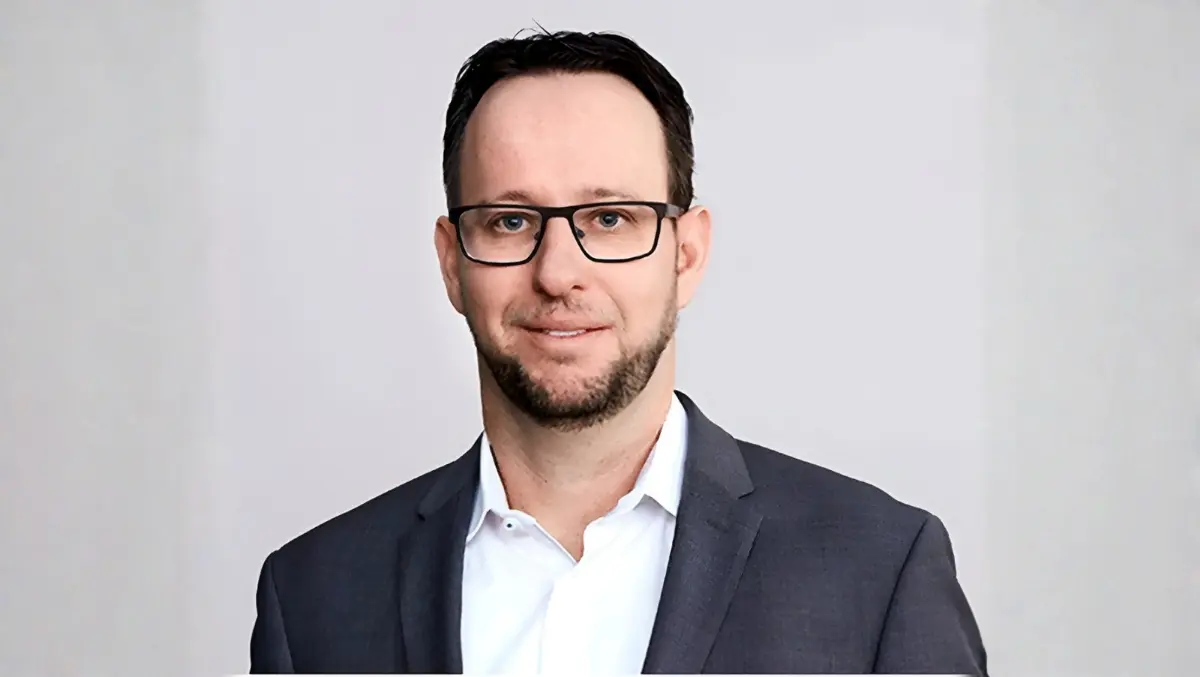
NeuReality has appointed former Amazon and Maersk executive Rotem Hershko as a Strategic Adviser, adding another senior voice as it pushes for wider enterprise adoption of its AI software.
Hershko previously served as General Manager at Amazon Global and Chief Product Officer at Maersk. He will advise on enterprise strategy, product positioning and go-to-market efforts for NR-NEXUS, NeuReality's inference operating system for production AI.
The appointment comes as businesses move from testing artificial intelligence systems to running them in day-to-day operations. That shift is increasing pressure to manage costs, performance and oversight across a mix of models, application programming interfaces and hardware.
NeuReality argues that many organisations face fragmented infrastructure and limited operational visibility when deploying AI at scale. NR-NEXUS is designed to provide a single software layer for inference workloads across different environments.
The platform is intended to let enterprises route workloads across open-source models, APIs and hardware instead of relying on a single supplier. In turn, that approach aims to help customers balance performance, spending and business needs in real time.
Hershko brings more than two decades of experience in large technology and product organisations. At Amazon, he helped scale a digital marketplace serving millions of third-party sellers. At Maersk, he led product strategy and digital transformation across a global operation.
Those roles gave him experience managing complex systems and aligning technology with commercial requirements, both of which have become central to corporate AI projects. Companies have expanded access to advanced models, but many are still working out how to integrate them into existing operations without adding new layers of complexity.
NeuReality Chief Executive Officer Moshe Tanach linked the hire to that operational challenge. "Rotem has operated at the intersection of scale, complexity, and customer needs within some of the world's most demanding environments," Tanach said.
"That perspective is critical as AI moves beyond experimentation. Enterprise adoption now hinges on execution and how organizations run AI in production with efficiency, control, and accountability. Rotem's perspective will help us sharpen that bridge between infrastructure and real-world deployment."
Hershko said the issues facing enterprise AI users resemble earlier challenges in digital commerce. "At Amazon, a core challenge was enabling a highly distributed ecosystem to scale without losing control over quality and outcomes," he said.
"Enterprise AI is entering a similar phase. Organisations want more flexibility, transparency, and economic efficiency, yet many solutions still introduce fragmentation or lock them into costly models. With NR-NEXUS, NeuReality is building a more practical foundation that enables AI to operate as a true infrastructure."
Advisory bench
Hershko joins a wider group of advisers and executives assembled as NeuReality seeks more enterprise customers. The company recently added former Google executive Shalini Agarwal to support market strategy for NR-NEXUS.
Agarwal brings more than 16 years of experience developing AI-based products used by large user bases. Together, the two appointments suggest NeuReality is strengthening its commercial and product leadership as competition intensifies among suppliers vying for corporate AI budgets.
Production focus
NeuReality's pitch reflects a broader trend in the AI market. Businesses are no longer focused only on access to large language models and other tools, but also on the systems needed to monitor, direct and control them in production settings.
For many enterprises, that means seeking software that can work across several models and infrastructure providers while offering clearer oversight of spending and service levels. NeuReality is positioning NR-NEXUS around that need as customers weigh the trade-off between flexibility and dependence on a single AI stack.
The company's argument is that AI will become part of core enterprise infrastructure rather than remain a set of isolated pilot projects. Hershko's role will focus on helping align that proposition with the needs of large organisations as they move from experimentation to full deployment.
He said the market is demanding systems that offer greater transparency and economic control as AI usage expands across business operations.