

LogicMonitor adds IBM watsonx & Red Hat to Edwin AI
Wed, 6th May 2026
LogicMonitor has integrated IBM watsonx and Red Hat Ansible Automation Platform into its Edwin AI operations tool, bringing IBM and Red Hat software into its push to automate IT incident detection and response.
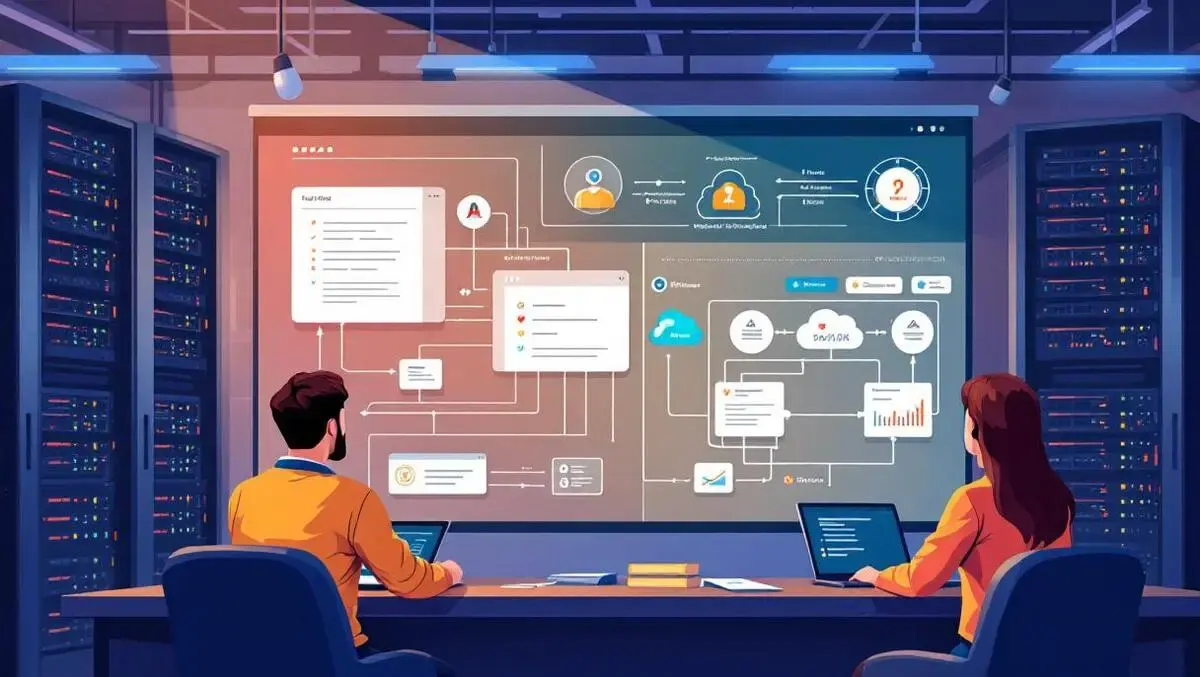
The combined setup is intended to help customers identify infrastructure issues, diagnose them and remediate them before service problems spread. Edwin AI is designed to spot anomalies, while Red Hat Ansible Automation Platform recommends or executes playbooks to address them.
Where no existing playbook is available, the automation coding assistant in Red Hat Ansible Automation Platform works with IBM watsonx to generate one. This allows IT teams to create automated responses without writing each workflow manually from scratch.
Human oversight remains in place. Automation is orchestrated through Ansible Automation Platform, and IT teams can review and approve actions before they run.
How it works
The companies are positioning the integration around the idea of a self-healing data centre, where software identifies faults and triggers fixes with limited manual input. The model is aimed at reducing repetitive operational work and shortening response times during incidents.
It also reflects a broader push across enterprise technology to combine observability software, artificial intelligence tools and automation platforms in a single operational workflow. In this setup, LogicMonitor provides the observability and incident intelligence layer, while IBM watsonx and Red Hat Ansible Automation Platform generate and run the automation steps.
Karthik SJ, General Manager of AI at LogicMonitor, described the collaboration as "automation with frontier intelligence".
"By combining LogicMonitor's AI-powered observability with Red Hat Ansible Automation Platform and watsonx, we can offer customers a trusted ally designed to anticipate and resolve issues autonomously, freeing teams to focus on building the future."
Customer use
Managed service providers are among the early users of the integrated system in live environments. They are using it to reduce routine tasks and broaden access to automation work among staff without deep specialist training.
One example is Nexon Asia Pacific, a digital consultancy using the system across customer environments. It is applying the tools to issue prediction, remediation and patching workflows.
"We're partnering with LogicMonitor to create an automated self-healing environment, powered by Edwin AI's frontier agents for IT Operations and Red Hat Ansible Automation Platform," said Saba Maroun, Chief Customer Services Officer at Nexon Asia Pacific. "Our goal is to predict issues before they arise, automate remediation, and streamline patching, minimising manual intervention and accelerating resolution. By generating dynamic playbooks and pinpointing the most effective actions for every scenario, this approach ensures change control while empowering frontline teams to deliver outstanding customer experiences."
Operational aims
The system is intended to address several common IT operations challenges, including preventing outages through early detection of abnormal behaviour, reducing manual intervention during incident response, cutting recovery times and extending automation across hybrid and multi-cloud estates.
The emphasis on hybrid and multi-cloud environments is significant because many large organisations now manage applications and infrastructure across multiple providers and on-premises systems. That complexity has increased interest in software that can correlate data from different parts of an IT estate and trigger standardised responses.
IBM said the partnership shows how vendors are combining products to offer more joined-up operational tools to enterprise customers. Nick Holda, Vice President of AI Technology Partnerships at IBM, framed the integration around reducing downtime and improving IT efficiency.
"Logic Monitor's Edwin AI platform, combined with IBM watsonx and Red Hat Ansible Automation Platform, enables automated prevention, detection, and remediation of infrastructure issues to help enterprises achieve less downtime and more efficient enterprise IT operations," said Nick Holda. "This is a great example of how IBM and our ecosystem partners can bring together complementary technologies to offer new end-to-end solutions to our clients."
The tie-up also underlines IBM's continued effort to place watsonx within broader enterprise software stacks rather than position it as a standalone artificial intelligence product. For LogicMonitor, adding IBM and Red Hat tools broadens the range of actions Edwin AI can take after detecting a problem, moving it further from monitoring into automated operations.
Red Hat's role is central because Ansible has long been used by IT teams to automate infrastructure tasks through playbooks. By adding generated playbooks and approval workflows, the companies are trying to make automation more accessible while preserving controls over production changes.
For large IT teams and service providers, the value proposition depends on whether such systems can reduce alert fatigue and repeated manual intervention without creating new operational risks. LogicMonitor's approach places AI-based detection and recommendation alongside established automation tooling, with customer approval steps kept in the loop before execution.
The objective is to help more teams standardise self-healing workflows across different environments without relying on deep automation expertise.