

KPMG sees AI-driven future for India's finance sector
Mon, 14th Sep 2026%201.webp)
KPMG in India and Mastercard have published a report on the future of India's financial system, setting out how artificial intelligence, digital public infrastructure and data-sharing frameworks could shape the sector.
The study argues that India has scope to build what it describes as an intelligent, sovereign and scalable financial ecosystem, as financial institutions rework their operating models around automation, data access and security.
It examines technologies and policy frameworks that are increasingly influencing financial services, including AI-driven decision-making, tokenisation, consent-based data sharing, quantum-safe security and regulatory tools built into operational systems.
The findings suggest the shift is no longer centred on isolated technology projects. Instead, banks, payments groups and other financial firms are moving towards integrated structures that connect decision-making, execution and governance across their businesses.
India features prominently in that analysis because of its digital public infrastructure. The report points to platforms such as Aadhaar, UPI, DigiLocker, ONDC and the Account Aggregator framework as the basis for large-scale digital payments, data sharing and identity verification.
Those systems have helped expand access to digital financial services over the past decade. The study argues that this foundation now gives India an opportunity to develop a model that combines innovation with strategic control over key technologies and stronger resilience against cyber and infrastructure risks.
Adoption trends
Among the headline figures, India's fintech sector has grown to more than 17,700 companies, according to the report. It also says financial services firms are nearing what it calls an AI inflexion point, with adoption expected to rise from 26 per cent to 65 per cent within 12 months.
The study also highlights the scale of the country's data-sharing system. Around 2.9 billion financial accounts are enabled to share data through the Account Aggregator framework, supported by more than 538 million fulfilled consents as of July 2026.
The framework is designed to let consumers and businesses share financial information with service providers in a structured, permissioned way. Supporters say such models can shorten lending approval times and improve product design through better data access.
The report also examines digital assets, saying the global digital assets market is expected to generate about USD $101 billion in revenue by 2026, with tokenisation emerging as a way to turn financial assets into digitally tradable instruments.
The authors also identify cyber security as a growing concern as financial systems become more interconnected. In particular, institutions are paying closer attention to quantum-era threats that could challenge existing cryptographic standards across payments, digital identity and core infrastructure.
Governance focus
The report places similar weight on compliance and oversight, arguing that regulatory intelligence is becoming more deeply embedded in financial operations through AI-led monitoring, automated reporting and continuous compliance checks.
That reflects a broader industry push to hardwire governance into products and processes rather than treat it as a separate control layer. The study suggests this will become more important as institutions handle larger data flows, more automated decisions and more complex digital products.
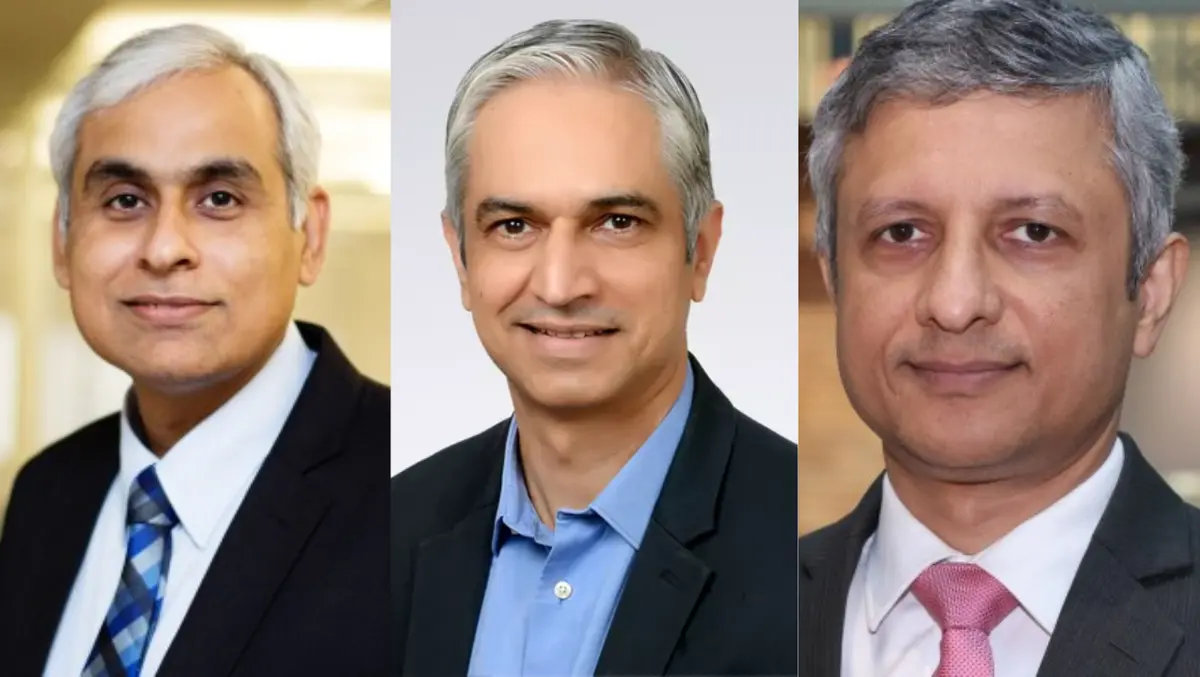
Akhilesh Tuteja, Partner and Head, Clients and Markets, KPMG in India, outlined the firm's view of the opportunity for the country.
"The future of financial services will be defined by the convergence of AI, trusted data sharing and real time digital infrastructure. India starts from a position of strength, having built some of the world's successful digital public platforms at scale. The next opportunity is to combine innovation with trust and resilience to create a financial ecosystem that is intelligent, sovereign and globally relevant," said Tuteja.
Hemant Jhajhria, Head of Consulting, KPMG in India, said the next stage would depend on linking existing digital infrastructure with newer technologies.
"India has already demonstrated the transformative power of digital public infrastructure at scale. The next frontier lies in combining AI, trusted data-sharing frameworks, programmable finance and sovereign technology capabilities to create a financial operating system that is intelligent, resilient and future-ready. By embedding trust, governance and innovation into the foundation of financial services, India has the opportunity to shape a globally relevant model for the future of finance," said Jhajhria.
Manoj Kumar Vijai, Non-Executive Chairman, KPMG in India, said India's existing digital base offered scope for wider economic impact.
"India's digital journey has created a strong foundation for the future of financial services. As technology reshapes the industry, the opportunity lies in harnessing innovation responsibly to drive sustainable growth, greater inclusion and lasting value for the economy," said Vijai.
Vishnu Pillai, Financial Services Technology Leader and Office Managing Partner, Kochi, KPMG in India, said firms would need to rethink how systems are assembled.
"The report highlights that the future of financial services will be shaped by the convergence of AI, tokenisation, trusted data-sharing frameworks and resilient digital infrastructure. As these capabilities mature, institutions will need to move beyond standalone technology adoption towards integrated operating models that can enable more intelligent decision-making, programmable solutions for customers and scalable innovation across the financial services value chain," said Pillai.
Kunal Pande, Partner and Leader, Cyber, Risk and Compliance, KPMG in India, said trust and resilience would determine whether new systems endure.
"The true test of innovation is not whether it can be launched, but whether it can be trusted, scaled and sustained. As financial services become more intelligent and interconnected, trust, risk, resilience and sustainable unit economics must form part of the design blueprint. Institutions that combine technological ambition with strong governance, cyber resilience and commercial viability will be better positioned to scale responsibly, navigate emerging risks and create enduring value for customers and the wider financial ecosystem," said Pande.