

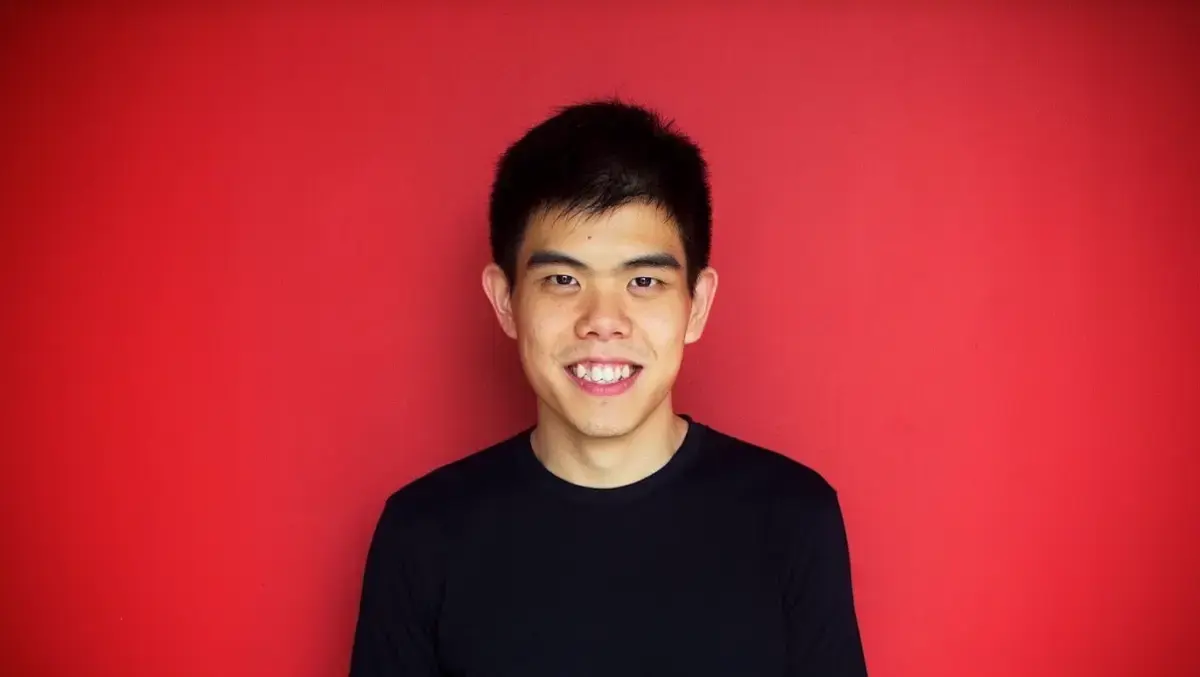

Carousell has reached EBITDA profitability, Chief Executive Officer and Co-Founder Siu Rui Quek said, describing the milestone as a sign of the company's shift toward reCommerce.
Quek said Carousell has moved beyond a basic classifieds model in recent years into more managed services for secondhand transactions. These include AI-assisted listing tools, integrated shipping, certified programmes for higher-value goods and physical showrooms where buyers can inspect products.
The company also said revenue reached about USD $140 million last year, up 18% year on year. Quek said that was nearly three times the level recorded in 2021, adding that Carousell had pursued growth while remaining disciplined on costs.
The comments provide one of the clearest updates on Carousell's financial position since a period when technology valuations were much higher across the region. Asked about fundraising, valuation and the prospect of an initial public offering, Quek did not give an updated valuation or signal plans for a near-term capital raise.
Instead, he said Carousell had support from existing investors and a healthy balance sheet, allowing management to focus on execution. "On the topic of fundraising, we're very, very lucky to have had the privilege of getting good investors and support and a very healthy balance sheet, so that the past couple of years all we did was just stay heads down, focused on executing and growing on the business, really proving out the reCommerce strategy that we believe has still a lot more headroom for growth, and for us, you know, I think that's really the thing that we are obsessed about, just staying hands down focused on executing on the mission," Quek said.
Trust focus
Trust and safety are a central part of that strategy, particularly for an online marketplace dealing in secondhand goods. Quek said AI has become increasingly important both in making transactions easier for users and in screening listings and behaviour on the platform.
Carousell uses AI to identify bad actors, detect problematic listings and remove them before they spread, he said. Following recent AI deployments, scam detection accuracy has improved to 98%.
"Yeah, JP, that's a really good point. Trust is really foundation for us, it's a really big focus for us at Carousell, important for us to make sure that people can transact on the platform, peace of mind. And AI and technology has always been the center of how we actually improve trust in the platform. So we've always released products to help people make informed decisions, we release programs like certified to help people transact with a lot of safety. We also use AI to prevent bad actors, detect bad listings on the platform, remove them proactively, and with all the AI technology that we've actually implemented over the past couple of months, we've actually seen our scam detection accuracy improved to 98%. So we're seeing a material improvement from AI being embedded into our marketplace to make listings simpler, to improve matching, and improve trust in the platform as well," Quek said.
He added that 99.96% of transactions on Carousell are completed without a scam incident, suggesting that while trust and safety remains resource-intensive, harmful activity is limited relative to total transaction volumes on the platform.
Market plans
Carousell operates in seven markets across greater Southeast Asia, Quek said, correcting a suggestion that the company was present in nine. He said management had focused on existing markets while working toward profitability rather than pursuing further geographic expansion.
Now that the company has reached EBITDA profitability, Carousell is assessing its next phase of growth, Quek said. One option is to extend its reCommerce model further across existing markets and additional categories. Another is to develop more AI-based products.
He said Carousell views AI as a broad platform shift that could reshape how its marketplace operates. The company already uses the technology to help users create listings and improve matching, and Quek pointed to the value of data generated by tens of millions of users and billions of proprietary data points.
Competitive pressure
The strategy comes as Carousell competes for users and listings in a crowded regional market. Rivals include large eCommerce groups such as Lazada and Shopee, social marketplace activity on Facebook Marketplace, and specialist platforms in categories such as luxury goods.
Quek said Carousell's position rests on its focus on secondhand transactions rather than new goods, along with the breadth of its user base across multiple categories. He said the company studies traffic, listings and liquidity data to determine where it can deepen its presence.
That approach has shaped moves into categories such as luxury and mobile phones, where higher-value transactions create demand for verification and inspection services. "Yeah, Chery, that's a really good question. I think for us, our main differentiation, first and foremost, versus every other platform, is that we're laser focused on reCommerce, and that's really the business of secondhand and making secondhand the first choice. So, we're not really prioritizing new goods that happens on our platform, but our priority is in secondhand goods. The second thing that we are really differentiated on is that we've got 10s of millions of users in our ecosystem. We are essentially one of the largest multi category platforms in this space. And our benefit is looking at our platform data, which are the categories are actually very liquid, where we can use that traffic and liquidity that we already have to supercharge our reCommerce business, and so when we entered the luxury business, when we entered the mobile reCommerce business, it was really looking at our platform data to see where we already have a large flow of traffic, a large flow of listings, a large flow of liquidity, and that really has showed us that if we invest in a category that we are strong in already, we can really accelerate that growth in that category," Quek said.