

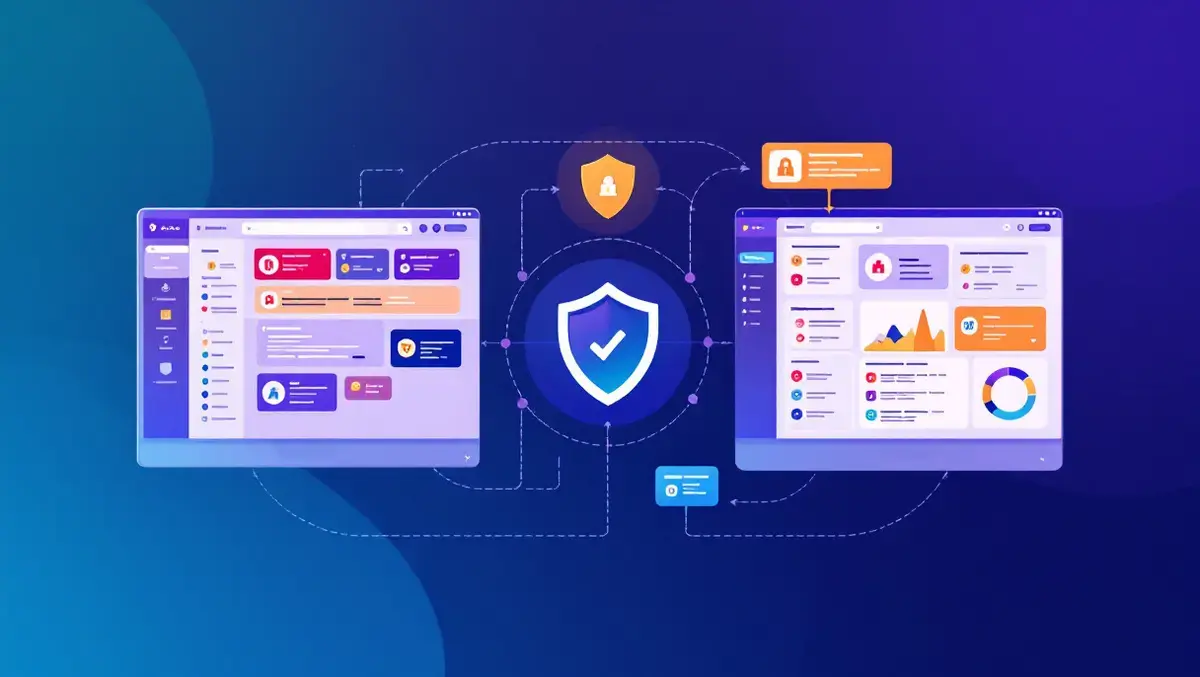
ArmorCode links OpenAI Daybreak in two-way security flow
Fri, 20th Nov 2026 (Today)
ArmorCode has become an integration partner for OpenAI Daybreak Defence Factory, linking its exposure management system with OpenAI's vulnerability validation and remediation workflow.
The integration lets prioritised application security findings from ArmorCode flow into Daybreak Defence Factory for validation and proposed fixes. Findings Daybreak discovers in code can also be sent back to ArmorCode through SARIF, or Static Analysis Results Interchange Format, creating a two-way exchange between exposure management and code analysis.
ArmorCode said it was one of a small number of exposure management companies included in OpenAI's announcement about Daybreak Defence Factory. The connection is intended to link continuous threat exposure management, or CTEM, with AI-led remediation inside development teams.
At the centre of the set-up is ArmorCode's role in collecting and ranking security findings from a wide range of tools. Its platform ingests data from more than 425 integrations across application, infrastructure, cloud and AI security, and processes more than 400 billion findings a year.
ArmorCode says those findings are correlated and deduplicated in what it calls its Context Risk Graph. The system links each finding to exploitability, threat intelligence, asset and business criticality, and ownership, to help organisations decide which issues to fix first.
Two-way flow
Under the integration, Daybreak Defence Factory can take in prioritised findings from ArmorCode so developers can investigate them in Codex Security, OpenAI's environment for vulnerability analysis and patch preparation. Daybreak analyses codebases, builds a threat model, checks whether a reported issue is genuine, and proposes a root-cause patch for review.
The reverse flow is also part of the arrangement. If Daybreak identifies vulnerabilities during code analysis, those results can be returned to ArmorCode, where security teams can track them alongside issues surfaced by other scanners and tools.
That means companies using both systems can manage code-level findings within a broader enterprise view of risk. ArmorCode said this includes not only individual vulnerabilities but also chains of weaknesses across applications and infrastructure, such as a combination of a code flaw, an exposed service and an over-permissioned cloud role.
Enterprise view
ArmorCode intends to remain the system of record for enterprise-wide remediation tracking, including ownership, service-level agreements and audit trails. In practice, that makes Daybreak a tool for validating and preparing fixes, while ArmorCode maintains the broader picture of risk exposure across teams and systems.
ArmorCode also highlighted the role of its AI system, Anya, in remediation. For narrowly scoped issues, such as static application security testing and software composition analysis findings confined to a single file, Anya can open pull requests directly in a developer workflow, subject to internal approval policies.
The company presented the OpenAI integration as part of a CTEM operating model. In that model, ArmorCode handles discovery and prioritisation across multiple sources, while Daybreak contributes validation and code-level patch proposals.
This reflects a wider shift in cybersecurity tools towards more tightly linking discovery, validation and remediation. Vendors have increasingly focused on narrowing the gap between identifying a vulnerability and getting a fix into the software development process, particularly as generative AI tools are applied to code review and software security tasks.
For development teams, the immediate effect is likely to be a more filtered queue of issues, with findings prioritised in ArmorCode and then examined in Daybreak for validation and patch preparation. For security leaders, the appeal is the promise of a single record of remediation progress across multiple tools and teams, rather than a series of disconnected scanner outputs.
ArmorCode said the combined approach is intended to address a recurring problem in vulnerability management: large volumes of raw findings that are difficult to rank or assign. By feeding prioritised findings into Daybreak rather than passing over every alert from every scanner, it is trying to focus remediation work on issues judged most relevant in the context of business and infrastructure risk.
Developers would continue to work in their existing tools, with fixes arriving either as pull requests from Anya or as validated patch proposals from Daybreak Defence Factory for engineers to review and test.